
That joy is the real goal. But getting there, especially in Portland, requires clear-eyed and realistic planning. Our team has spent decades working inside this city’s historic homes & permitting structure so we know that national cost guides just don’t capture the local market well. Especially when it comes to the customization and aesthetic perfection our clients often want. A full kitchen remodel in Portland will likely cost you around $32,000 for a minor upgrade focused project, to at least $92,000-$183,000 for more involved work, assuming an often locally quoted 15%-20% premium above the national average for Portland specific projects. (Source: 2024 Cost vs Value Report) But depending on the desired quality of workmanship, size of the overall project, and compliance based changes estimates can change.
Given the infinite variability of customizations, materials, environmentally friendly construction methods, and styles across customers, we can at least give you accurate insights into the factors that go into the real cost of a kitchen remodel in Portland. Our hope is that by sharing these tips and practical strategies we can help you easily navigate the project planning process.
Key Takeaways for Portland Homeowners
- Your Best Defenses for Controlling Costs Are Planning & an Experienced Team: Being clear about your personal goals for your new kitchen is essential from the beginning. Expect a project from seasoned teams of craftspeople within the PNW to start at $92,000+ for a kitchen remodel. Understanding the entire process from permitting to the design and build as well as the potential quirks of an older home is the best way to control your budget and timeline.
- The ‘Portland Premium’ is Real: In general, expect to pay more than the national average or figures you may have heard thrown around on TV. This isn’t just inflation or tariffs; it’s the cost of higher standards in labor, stricter codes, and a regional preference for quality materials. When dealing with historical homes, there are also layers of planning and prep that need to happen.
- Smart Choices Save Real Money: Making strategic decisions about where to splurge and where to save can lower your final bill if you’re budget conscious.
An Insider’s Guide to Kitchen Budgeting: Where Your Money Really Goes in Portland
One of the biggest mistakes you can make is applying a generic kitchen budget template for the US to a Portland project. Our market shifts the numbers. Labor costs are higher, and addressing the surprises in a 100-year-old home requires a bigger cushion. Here’s a realistic look at how your budget could break down, plus typical timelines for each tier.
| SCENARIO 1 | SCENARIO 2 | SCENARIO 3 | SCENARIO 4 | |
| The Cosmetic Refresh | The Serious Upgrade | The Full Rebuild | The Pacific Northwest Foodie’s Dream | |
| $30,000 – $45,000 | $92,000 – $183,000 | $183,000 – $350,000+ | $500,000 – $750,000+ | |
| Best For: | Best For: | Best For: | Best For: | |
| Budget Item (% of Total) |
Kitchens with solid bones but dated aesthetics. Perfect for Portland bungalows or Seattle craftsmans where the plumbing and electrical are already up to code but the space needs a fresh, modern Pacific Northwest vibe. | Dysfunctional layouts typical of 1970s-90s Pacific Northwest homes, aging appliances, or when you suspect issues lurk behind the walls. This is where function meets elevated style. | Complete reimagining of the space—removing walls, creating sight lines to our stunning landscapes, building a true chef’s kitchen that can handle everything from dungeness crab feeds to elaborate dinner parties. | Creating the ultimate PNW culinary headquarters where Saturday farmers’ market hauls become memorable dinner parties, where kids can make sourdough alongside serious wine pairings, and where the kitchen flows seamlessly from morning espresso rituals to late-night gatherings. |
| CORE CONSTRUCTION | ||||
| Demolition (2-5%) |
$600 – $900
Light demo only—removing old backsplash, taking down upper cabinets for open shelving, removing dated light fixtures. One small dumpster or hauling with pickup truck. Basic disposal fees included. |
$2,000 – $5,000
Full kitchen gut to studs in work areas. Careful removal of cabinets for donation. Tile and flooring removal. Two dumpster loads are typical. Protective barriers and dust containment. Appliance removal and recycling. Potential asbestos testing if pre-1980s. |
$6,000 – $11,000
Complete kitchen strip-out including ceiling and flooring. Removing walls requires careful demo to protect the remaining structure. Multiple dumpsters, potential hazmat handling. Lead/asbestos abatement if needed. Protection of adjacent rooms. |
$10,000 – $15,000
Surgical demolition preserving elements worth saving. Hand-demolition near sensitive areas. Full home protection systems. Salvage and donation coordination for tax benefits. Archaeological approach to historic homes with careful removal for reuse. |
| Structural Work (0-10%) |
N/A
No structural modifications in cosmetic refresh. Minor reinforcement for heavy tile or stone may require $500-1,000. |
$3,000 – $9,000
Reinforcing for heavy countertops, enlarging window or door openings, adding breakfast bar support, minor beam work for open shelving. Engineering review if needed, permits, and metal connectors included. |
$18,000 – $35,000
Removing load-bearing walls with steel beam installation. New headers for enlarged openings. Foundation work for islands. Seismic upgrades as required. Includes structural engineering, steel moment frames, posts and footings. |
$25,000 – $40,000
Major structural modifications—multiple walls removed, ceiling vaults created, cantilevered additions, floor system upgrades for heavy stone. Complex engineering with hidden steel systems and structural glass supports. |
| Framing & Drywall (3-8%) |
$900 – $2,000
Patching and repairs only. Fixing holes from relocated outlets, smoothing textured walls, minor ceiling repairs. Level 4 finish in visible areas. Basic drywall patches and joint compound with primer. |
$4,000 – $9,000
New drywall on opened walls, soffit modifications, creating pantry or coffee station nooks. Full skim coat for smooth modern finish. Moisture-resistant board behind sink areas. Metal studs for straight walls, includes sound insulation and vapor barriers. |
$10,000 – $21,000
Complete reframing of modified spaces. Curved walls or archways. Coffered or tray ceilings. Sound-dampening drywall. Level 5 finish throughout. Complex framing for appliance niches and floating shelves backing. |
$20,000 – $30,000
Architectural drywall work—curved ceilings, hidden lighting coves, integrated art niches. Veneer plaster in formal areas. Acoustic treatments. Specialty framing for concealed systems and integrated speaker boxes. |
| CABINETRY & BUILT-INS | ||||
| Cabinetry & Hardware (35-40%) |
$10,000 – $14,000
Cabinet refinishing or refacing. New doors and drawer fronts in shaker or slab style. Quality thermofoil or wood veneer. Basic soft-close hardware upgrade throughout. Bar pulls in matte black or brushed brass, self-closing hinges, drawer slides rated for 75 pounds. Pro Tip: Keep existing boxes if they’re plywood—just update doors, drawers, and hardware for 60% savings. |
$28,000 – $54,000
Semi-custom cabinets with furniture-board construction, dovetail drawers, full-extension soft-close slides. Mix of closed storage and open shelving. Pull-out organizers in all bases. Lazy Susans in corners, tray dividers, spice pull-outs, trash pull-outs, appliance garages. PNW Note: Specify moisture-resistant finishes—our humidity is tough on cabinets. |
$63,000 – $105,000
Full custom millwork in quarter-sawn white oak or vertical grain fir. Inset doors with beaded frames. Furniture-quality finishes. Integrated LED lighting. Custom hood enclosures. Pegboard drawer systems, knife blocks, tray storage, vertical dividers, charging drawers. |
$175,000 – $225,000
Museum-quality millwork with hand-selected lumber, book-matched grains, hand-rubbed finishes. Integrated refrigeration and dishwasher drawers. Motorized upper cabinets. Temperature-controlled storage zones. Hand-forged hardware, leather-wrapped pulls, brass inlays, custom metalwork details. |
| SURFACES & FINISHES | ||||
| Countertops (10-15%) |
$3,000 – $7,000
Quality laminate with specialty edges or butcher block islands. Entry-level quartz in simple patterns. Basic edge profiles. 4-inch backsplashes included. Smart Buy: Remnants work great for smaller kitchens—check stone yards’ remnant sections. |
$9,000 – $27,000
Mid-level quartz or granite throughout. Undermount sink cutouts. Upgraded edge profiles. Coordinating backsplashes. Option for waterfall edge on islands. Choose quartz for a popular choice that mimics Carrara marble—beauty without the maintenance. |
$27,000 – $53,000
Premium natural stones or high-end engineered surfaces. Book-matched patterns on islands. Multiple materials for different zones. Integrated drainboards. Full-height backsplashes. Professional templating, reinforced cabinet support, annual sealing service. |
$50,000 – $75,000
Exotic stones with dramatic veining, backlit translucent stones, heated surfaces for pastry work. Integrated trivets and cutting boards. Cantilevered breakfast bars. Book-matched backsplashes to ceiling. CNC-carved details, metal inlays, custom edge profiles. |
| Tile & Backsplash (3-7%) |
$900 – $3,000
Subway tile in classic patterns or modern large-format porcelain. Simple installation patterns. Standard white or gray grout. Typically covers 30-50 sq ft backsplash area. |
$3,000 – $9,000
Handmade or artisan tiles, mosaic accents, decorative patterns. Specialty grouts with color matching. Schluter edge systems. Full backsplash to upper cabinets. Glass, natural stone mosaics, penny rounds, hexagons, herringbone patterns. |
$6,000 – $18,000
Designer tiles with dimensional elements, custom patterns, mixed materials. Waterjet-cut designs. Full-wall treatments. Heated tile behind coffee stations. Zellige, terracotta, hand-painted ceramics, metallic accents. |
$10,000 – $20,000
Custom murals or artistic installations. Rare materials like mother of pearl or semi-precious stones. Hand-laid patterns by master tileworkers. Integrated lighting within tile. Custom glazed tiles, hand-cut stone patterns. |
| Flooring (5-10%) |
$2,000 – $3,000
Luxury vinyl plank (LVP) or laminate. Basic transitions to adjacent rooms. Simple baseboards. Patch and repair existing where possible. Includes underlayment and moisture barrier. |
$5,000 – $14,000
Quality engineered hardwood or premium tile. Professional installation with proper subfloor prep. Upgraded baseboards and transitions. Sound-dampening underlayment. Waterproof engineered wood or large-format porcelain options. |
$9,000 – $28,000
Solid hardwood or natural stone throughout. Radiant heating under tile. Custom borders or inlays. Matching wood stairs if visible. Professional refinishing of adjacent floors. Wide-plank oak, reclaimed fir, or honed limestone. |
$25,000 – $45,000
Rare hardwoods or exotic stones. Custom parquet or marquetry. Brass inlays between materials. Fully heated floors throughout. Museum-quality installation. Rift-sawn white oak, French limestone, terrazzo, or leather tile in pantries. |
| Painting & Wall Finishes (2-5%) |
$600 – $2,000
Quality paint in designer colors. Accent walls. Basic prep and priming. Two coats minimum. Touch-up of trim and ceilings. Eggshell walls, semi-gloss trim, flat ceilings. |
$2,000 – $6,000
Premium paints with specialty finishes. Full room painting including inside cabinets. Color consulting included. Proper prep of all surfaces. Limewash, Roman clay, accent wallpaper, or metallic finishes possible. |
$4,000 – $11,000
Designer wall treatments—Venetian plaster, grasscloth, custom wallpaper. Multiple paint colors and finishes. Decorative ceiling treatments. Tadelakt, silk plaster, acoustic treatments, or custom murals. |
$8,000 – $15,000
Artisan plasterwork, hand-applied finishes, gold leaf accents. Custom-printed wallcoverings. Conservation-grade finishes for historic homes. Fresco techniques, hand-painted details, restoration finishes. |
| APPLIANCES & FIXTURES | ||||
| Appliances (15-20%) |
$5,000 – $9,000
Basic appliance package in stainless steel. 30″ range, standard refrigerator, quiet dishwasher, over-range microwave. Energy Star rated throughout. Package Power: Buy all from one brand during sales for best deals and rebates. |
$14,000 – $36,000
Mid-to-upper tier appliances. Slide-in range with convection, counter-depth refrigerator, quiet dishwasher with third rack, drawer microwave or speed oven. Built-in coffee maker optional. PNW Essential: Good ventilation is crucial—invest in proper CFM rating for our fish and seafood cooking. |
$35,000 – $70,000
Professional-grade suite. 36-48″ dual fuel range, integrated refrigeration, panel-ready dishwasher, steam oven, speed oven, warming drawer. Proper ventilation with make-up air. Wine storage, beverage centers, built-in coffee systems. |
$75,000 – $125,000+
Import that French range your family will fight over for generations. Dual refrigeration columns, multiple dishwashers, full suite of specialty ovens. Integrated everything. Teppanyaki grills, pasta arms, custom ventilation as sculpture. Rotisserie, salamander, induction wok burner. |
| Professional Install (1-2%) |
$300 – $500
Basic delivery and hookup from big box stores. Simple gas or electric connections. Haul-away of old units. DIY possible for electric; always hire pros for gas. |
$900 – $3,000
Certified installation for warranty requirements. Proper leveling and calibration. Built-in unit integration. Testing all functions. Anti-tip brackets, water line connections, basic programming. |
$2,000 – $6,000
White-glove installation service. Custom panel installation. Calibration of professional ranges. Training on features. Extended warranty registration. Steam oven plumbing, integrated trim kits. |
$4,000 – $8,000
Factory-certified technicians for exotic brands. Multi-day installation and commissioning. Full training sessions. Annual maintenance contracts included. 24/7 support, priority repairs. |
| SYSTEMS & INFRASTRUCTURE | ||||
| Plumbing (5-8%) |
$2,000 – $3,000
New faucet and sink installation. Basic water filter. Dishwasher hookup. No major rerouting. Includes shut-off valves, supply lines, P-trap, disposal installation. |
$5,000 – $15,000
Relocating sink plumbing, adding island prep sink, pot filler installation, instant hot water. Upgrading to code. Ice maker lines. May include gas line for range, water softener. |
$9,000 – $25,000
Complete replumb with home-run system. Multiple sinks and specialty faucets. Commercial pre-rinse. Filtered and instant hot/cold/sparkling systems. Floor drains if needed. Recirculation pumps, water quality systems. |
$25,000 – $38,000
Sophisticated plumbing with multiple zones, touchless faucets, built-in water carbonation, commercial-grade fixtures. Full water treatment system. Smart leak detection. Dedicated pasta arm, steam oven supply. |
| Electrical (5-8%) |
$2,000 – $3,000
GFCI outlets, under-cabinet outlets, pendant box installation. LED conversion. Basic dimmer switches. Code updates for proper spacing and dedicated circuits as needed. |
$5,000 – $15,000
New circuits for appliances, under-cabinet lighting systems, island outlets, USB outlets. Possible panel upgrade for capacity. 220V for range/cooktop, dedicated circuits, lighting controls. |
$9,000 – $28,000
Sub-panel for kitchen, structured wiring, extensive lighting circuits, floor outlets in island. Smart home prep. Generator transfer switch. Lighting scenes, motorized shades wiring. |
$25,000 – $38,000
Fully automated systems, architectural lighting control, integrated charging stations, floor heating controls. Touch-activated switches. Energy monitoring. Voice control, occupancy sensing, circadian rhythm lighting. |
| Lighting Fixtures (3-5%) |
$900 – $2,000
Basic pendants over island, flush mount ceiling fixture, under-cabinet LED strips. Simple but stylish. Dimmer compatibility. Focus on one statement piece with practical task lighting. |
$3,000 – $9,000
Designer pendants, chandelier over dining area, comprehensive under-cabinet system, toe-kick lighting. Multiple circuits for scenes. Decorative sconces, in-cabinet lighting, pantry fixtures. |
$6,000 – $18,000
Architectural lighting package. Custom pendants, integrated cove lighting, artwork illumination. Full scene control system. High-CRI LEDs throughout. Magnetic track systems, color-tuning capabilities. |
$10,000 – $25,000
Museum-quality lighting design. Commissioned fixtures as art pieces. Fully integrated architectural lighting. Automated circadian systems. Custom blown glass, hand-forged metal, programmable color. |
| HVAC & Ventilation (3-8%) |
$900 – $2,000
Basic range hood installation, 300-400 CFM. Duct cleaning if reusing existing. Simple bathroom-style exhaust if needed. May need electrical upgrade for proper CFM rating. |
$3,000 – $15,000
Quality range hood with 600+ CFM, proper ductwork, possibly make-up air system if required by code. Minor HVAC rebalancing. Duct installation, roof or wall cap, noise reduction. |
$6,000 – $28,000
Professional ventilation system with make-up air, custom hood or downdraft, HVAC rezoning for kitchen comfort. Possible radiant floor heating. Remote blowers, heat recovery ventilation. |
$15,000 – $38,000
Commercial-grade ventilation with automated make-up air, custom decorative hoods as sculpture. Full HVAC optimization with multiple zones. Radiant heating throughout. Chilled beams, hydronic systems. |
| LABOR & PROJECT MANAGEMENT | ||||
| General Labor (10-15%) |
$3,000 – $7,000
Handyperson and basic trades. Simple installation and finishing work. Owner coordination of subs. Typically 2-3 week timeline with minimal supervision needed. |
$9,000 – $27,000
Licensed contractors for each trade. Proper scheduling and coordination. Basic project management included. Insurance, warranties, permit handling. 6-10 week timeline. |
$18,000 – $53,000
Full general contractor with dedicated project manager. Daily supervision. Detailed scheduling. Quality control at each phase. Weekly meetings, change order management. 3-4 month timeline. |
$50,000 – $75,000
White-glove construction management. Dedicated site supervisor. Daily reporting. Concierge-level service. Protection and security systems. Daily photo documentation. 6-9 month timeline. |
| Design Services (0-15%) |
$0 – $2,000
DIY with free big-box design services or basic online tools. Maybe one-time designer consultation for color selection. Pinterest boards, free cabinet showroom designs. |
$3,000 – $14,000
Kitchen designer for layout and selections. 3D renderings. Specification documents. 2-3 revisions included. Floor plans, elevations, finish schedule, shopping lists. |
$9,000 – $35,000
Full design team—architect for space planning, interior designer for finishes, lighting designer. Construction documents. Permitting assistance. Multiple concepts, VR walk-throughs. |
$50,000 – $113,000
Celebrity architect or nationally recognized designer. Full team including styling and art consultation. Construction administration. Custom furniture design, art curation, photo shoot styling. |
| Permits & Inspections (1-3%) |
$0 – $500
Usually no permits required for cosmetic work. Maybe electrical permit for GFCI upgrades. Check local requirements—some cities require permits for any kitchen work. |
$500 – $3,000
Basic building permit, electrical, plumbing. Standard plan check. Normal inspection schedule. Timeline impact: 2-4 weeks for permit approval. |
$2,000 – $6,000
Full permit package including structural. Expedited review possible. Multiple inspection phases. Possible variances needed. Historic review, design review board, HOA approvals. |
$4,000 – $8,000
Comprehensive permitting with expediter. Special inspections for high-end systems. Coordination with multiple jurisdictions. Landmark review, environmental assessments, utility upgrades. |
| CONTINGENCY & ADDITIONS | ||||
| Contingency (10-20%) |
$3,000 – $7,000
10% contingency for surprises—old homes always have them. Hidden damage, code updates, material price increases. Common: lead paint, non-standard dimensions, rot. |
$9,000 – $27,000
15% contingency recommended. Scope creep is real. “While we’re at it” additions. Upgraded finishes you fall in love with. Better appliances, tile upgrades, lighting additions. |
$18,000 – $53,000
15-20% contingency essential with structural work. Unknown conditions in walls. Engineering changes. Extended timelines. Structural surprises, code triggers, material delays. |
$50,000 – $113,000
15-20% contingency for perfectionism. Custom means changes. Artisan work takes time. Rare materials have long leads. Design evolution during construction. |
| Windows & Doors (0-5%) |
N/A
Window treatments only—new blinds or café curtains. Maybe a fresh coat of paint on existing doors. Consider privacy film or new hardware on existing doors. |
$2,000 – $9,000
Replace single window over sink with larger unit. New exterior door to deck/patio. Basic vinyl or fiberglass units. Garden window, French doors, or sliding patio door options. |
$9,000 – $18,000
Multiple window upgrades for light and views. Premium materials—wood interior, aluminum clad exterior. Corner windows, clerestory additions, bi-fold doors. |
$25,000 – $50,000
Wall of glass with minimal frames. European tilt-turn windows. Automated skylights. Folding glass walls to outdoor kitchen. Triple-glazed for efficiency. Floor-to-ceiling glass with motorized operation. |
| Addition (if applicable) (+30-40%) |
N/A
Minor bump-outs possible but typically avoided at this budget level. Focus on optimizing existing space and kitchen upgrades. |
+$55,000 – $140,000
Breakfast nook bump-out where morning coffee becomes a ritual worth waking for. 80-120 sq ft of sunlight, built-in banquette, maybe a Dutch door to the garden. Foundation to finishes, with all the permit headaches that come with touching the envelope. But imagine: your own petit café, right off the kitchen. |
+$150,000 – $300,000
Why stop at a kitchen when you can build the ultimate culinary pavilion? 200-300 sq ft addition with walls of glass, exposed beams, seamless indoor-outdoor flow. Foundation with radiant heat, standing seam roof, that La Cornue finally has room to breathe. This is where dinner parties become legendary. Your home’s forever centerpiece. |
|
Portland Neighborhood Note: Historic districts like Irvington, Ladd’s Addition, or Laurelhurst may add 2-4 weeks to your timeline due to additional design review requirements. Budget an extra 5-10% for meeting historic preservation standards.
Planning for the Unplanned: 5 Common Kitchen Surprises in Portland
Your contingency fund is your tool for dealing with the secrets hidden in your walls. Here are some potential issues these funds are most likely to be used for. Unfortunately it’s impossible to perfectly gauge any previous damage or shoddy work until the project is underway:
- Outdated Electrical Systems: Finding old knob-and-tube wiring or an undersized electrical panel. (Potential Cost: $3,000 – $8,000+)
- Plumbing Overhauls: Discovering corroded galvanized pipes or cracked drain lines. (Potential Cost: $2,000 – $5,000+)
- Hidden Water Damage & Dry Rot: Finding a soft, spongy subfloor under an old sink or dishwasher. (Potential Cost: $2,000 – $7,000+)
- Hazardous Material Abatement: Realizing old flooring or paint contains asbestos or lead. (Potential Cost: $2,000 – $4,000 +)
- Permit-Triggered Upgrades: Having an inspector require you to add seismic straps or a new egress window. (Potential Cost: Varies widely depending on the issues)
Navigating the Portland’s Construction Permits Process
In Portland, any project that involves altering structures or moving electrical or plumbing requires a permit from the Bureau of Development Services (BDS). This is a non-negotiable step, and frankly, it can be the most challenging obstacle for many projects, especially when a homeowner tries to do the work themselves or is working with an inexperienced team.
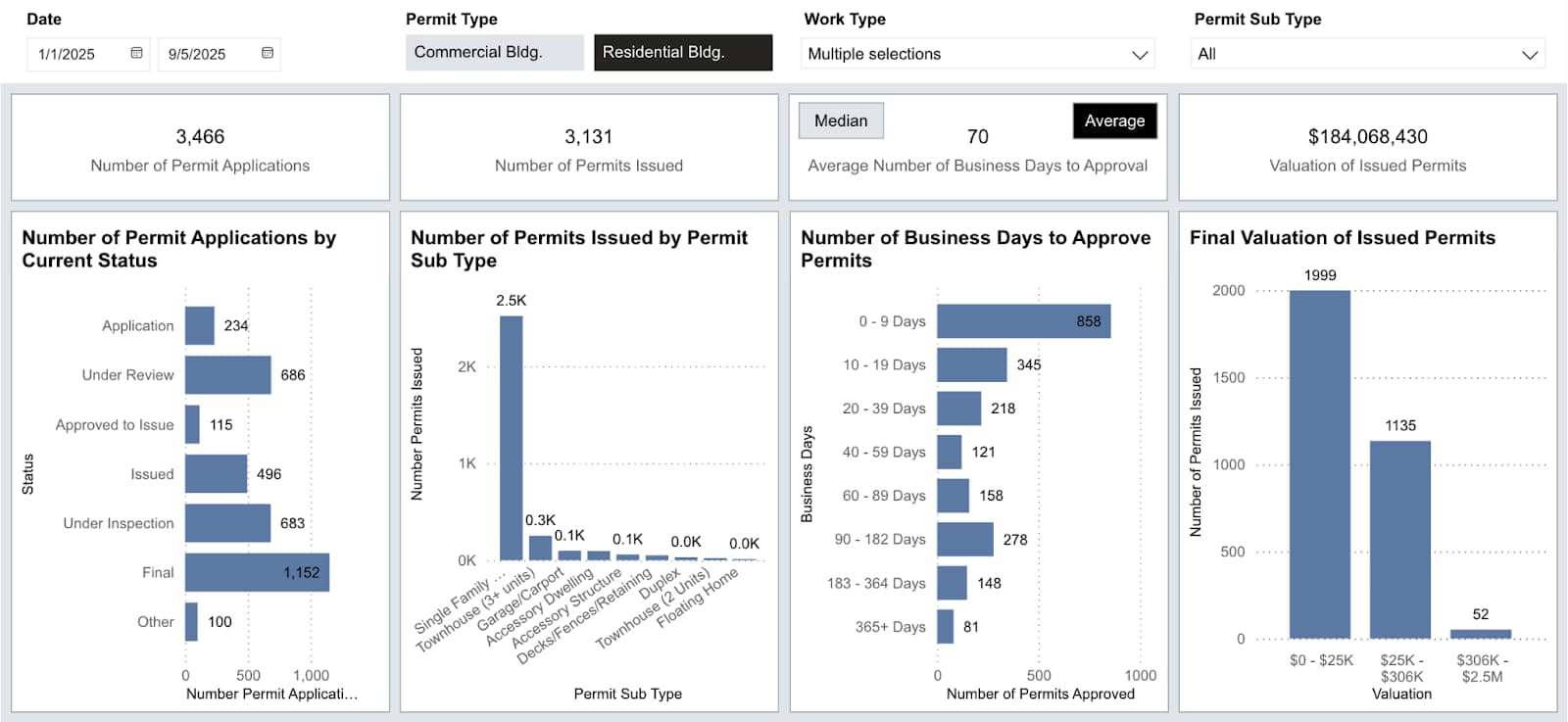
According to the city’s own public data, the average review time for a permit is currently 70 days across the work types of Addition, Alteration, Interior Alteration Only and New Construction projects. (Source: City of Portland Power BI Dashboard) But this is just an average and delays are common. This highlights the critical importance of having experienced contractors who know how to manage this process.
Why? Because delays can cost you serious money if you’re working with an inexperienced team.
As another homeowner discovered when their project costs ballooned by an additional “$70,000 to $100,000“ due to permitting hold-ups, explaining that skilled subcontractors can’t simply wait around unpaid for the city to approve plans. (Source: ‘A complete nightmare’: Portland homeowner describes permit delays that cost thousands via YouTube) While that’s the kind of costly nightmare scenario we all fear, at a minimum losing weeks waiting for paperwork can significantly push back the overall project completion date.
FIR Not Portlanders, Permitting Disasters Can Be Avoided
Given the potential for delays it’s worth noting that one advantage more established firms can have over smaller contractors is that Portland does offer the FIR program, Field Issuance Remodel. FIR can fasttrack many vendors who are already experienced and work closely with the city for streamlined inspection and permitting. In our experience this program paired with an experienced team can squash the chances of permitting headaches. However, it is unfortunate that as of November 2024 this program has restricted access to new vendors so only those already experienced with FIR can offer the benefits to their clients.
A Tip for Homeowners: If your project is small and you aren’t hiring a general contractor, you may have to manage and order materials and appliances yourself. Do consider lead time, potential shipping delays, and the possibility of inventory becoming out of stock over time. If you’re planning through a DIY project it’s essential to order early and get more than you potentially may need, should something go out of stock or get damaged during installation down the line. You don’t want to be stuck with one mismatched piece of hardware just because you ordered something as a closeout deal or the manufacturer discontinued it. For a few examples, expect at least a 3-4 week wait time for quartz, 8-12 weeks for custom woodwork, and 2-6 weeks for some high-end appliances.
Use these 5 Pre-Remodel Tips If Ready to Start Your Kitchen Remodeling Project in Portland
Jumping into a remodel without a solid plan is a recipe for making the entire process an emotional rollercoaster. A successful project starts long before the first hammer is in hand.
1. Consider Your Happiness Return on Investment
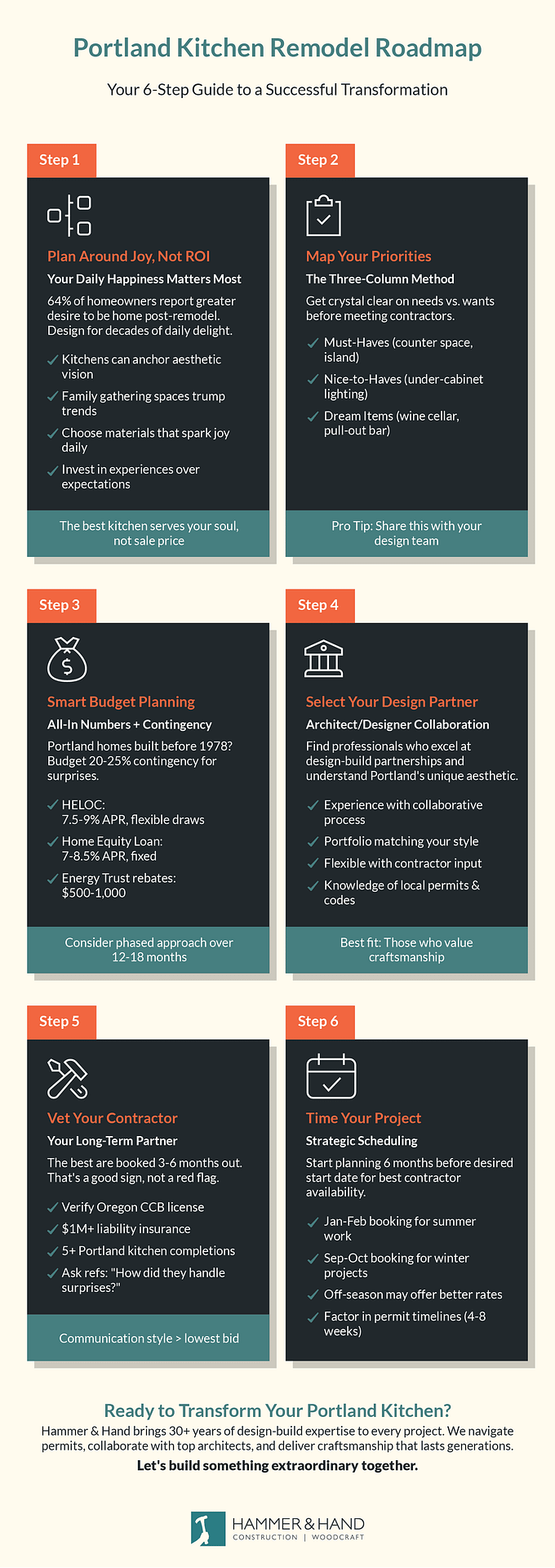
Financial ROI is important, but the most satisfied homeowners are the ones who prioritize their own enjoyment. The data confirms that after a remodel, “64% of homeowners report a greater desire to be in their home.” (Source: 2025 Remodeling Impact Report) Resale value is a bonus, and there are very real home value benefits to any well done remodel, but a kitchen that serves you and your family for decades is unmatched.
A Note for Landlords & Investors
While a return on happiness differs for rentals, remember that “In Portland’s competitive rental market, kitchen upgrades are decision points…they are essential for attracting and retaining tenants.” A well-planned project is a strategic investment that can “yield an 80-90% return.” To maximize that ROI, focus on items that trigger tenants to sign like: “ENERGY STAR appliances, durable butcher block or quartz counters, and eco-conscious cabinetry.” (Source for all quotes in this section: Grand Union Real Estate)
2. Define Your Real Scope and Priorities.
With your H-ROI in mind, get honest about your needs. Make a three-column list breaking down your:
- Must-Haves (e.g., more counter space, a beautiful new kitchen island)
- Nice-to-Haves (e.g., under-cabinet lighting, a six-burner Wolf range, customized kitchen dining nook)
- Dream Items (e.g., Pull-Out Liquor cabinet, a custom wine cellar , or a stunning outdoor eating area.
This will help you visualize the end goal and serve as a valuable reminder throughout the process of getting quotes and meeting with architects.
3. Establish Your All-In Budget & Contingency Fund.
Determine your total, all-inclusive number. Based on that, immediately set aside your contingency fund. For any home built before 1978, make this 20-25% of your estimated project cost. This isn’t ‘extra’ money; it’s a planned part of the budget for known unknowns.
4. Explore Financing Options.
Most Portland homeowners use a combination of savings and financing. Here are some of the most common financing routes homeowners can leverage:
- Home Equity Line of Credit (HELOC): Best for flexible draws over time. Although rates are higher than in past years with current rates around 7.5-9% APR (as of January 2025), this is still a popular choice, especially when paired with a local credit union like OnPoint which often beats national banks by 0.5-1%. And for those more budget-conscious, with the draw period typically over 10 years, it can be a great solution for phased projects where you tackle the kitchen in stages.
- Home Equity Loan: Ideal when you feel like you have a good estimate of what your project will cost. Current rates hover around 7-8.5% APR, and the fixed payment schedule helps with budgeting. It’s also worth looking into a variety of local institutions, some of which have lengthy experience dealing with renovation loans and understands the Portland market’s unique challenges. The predictability of fixed payments can be worth the slightly higher rate compared to a HELOC for some homeowners.
- Cash-Out Refinance: Only makes sense if you can improve your current mortgage rate or if your existing rate is above 7%. Remember to factor in closing costs of $3,000-6,000, which can eat into your renovation budget. This option has become less attractive as mortgage rates have climbed, but it’s worth running the numbers if you’re sitting on an adjustable-rate mortgage.
- There are also Portland-Specific Incentives Worth Pursuing: Don’t overlook local and federal programs that can offset your costs significantly. The Energy Trust of Oregon offers rebates that might seem small individually but they can total $500-1,000 for a full appliance upgrade. Every bit helps, and the application process at energytrust.org is straightforward. There are also a variety of federal tax programs and rebates (hopefully) available into the future that could also be worth researching.
- For those who are more fiscally conscious:
- If you have the skills and time, our state does a great job of trying to make these green incentive programs approachable for DIYers.
- For income-qualifying households (below 80% of area median income), the Portland Clean Energy Fund offers grants up to $15,000 for efficiency upgrades and electrical work. Application periods open quarterly, and while the paperwork is extensive, the payoff can be substantial.
- One creative strategy that’s gaining traction is the phased approach: breaking the project into 2-3 stages over 12-18 months. This spreads costs, allows you to live with some changes before committing to others, and can help you avoid financing altogether if you’re close to having enough saved or aren’t committed to a full remodel just yet.
5. Do Your Contractor Homework.
The demand for quality Portland construction teams is high, so you should expect the best contractors to be busy and booked out far in advance. This isn’t a red flag—it’s actually a good sign.
The contractor who’s dying to start tomorrow? That’s the one you might really want to vet. Start your search 3-6 months before you want work to begin. January-February for summer projects, or September-October for winter work could get you slightly lower rates due to diminished demand.
Finding Your Long-Term Partner, Not Just the Lowest Bid
Here’s what experience has taught us: the right contractor isn’t necessarily the cheapest or the one with the fastest promises. It’s the one who aligns with your communication style, understands your vision, and has the experience navigating Portland’s unique challenges. In many cases you’ll be bumping into the team you hire daily. You’re not just hiring someone to install cabinets—you’re choosing a partner who’ll be in your home for an extended period of time, making thousands of decisions that will improve your daily life for decades.
Start by verifying the basics: current Oregon CCB license (check at oregon.gov/ccb), liability insurance of at least $1 million, workers’ comp coverage, and at least five completed Portland kitchen remodels. But then go deeper, especially on cheaper bids. Call references from their last 18 months of work. Ask those references not just “Would you hire them again?” but “What would you do differently?” and “How did they handle unexpected problems?”
The Psychology of Bids: Understanding What You’re Really Buying
When reviewing bids, remember that a significantly lower price (more than 30% below others) can mean one of three things: they’re desperate for work, they’ve missed something important, or they’re planning to make it up through change orders. That “great deal” often becomes the most expensive option when the project is done.
Conversely, the highest bid isn’t automatically the best. Look for the contractor who can detail their processes for project management and timeline and budget control, acknowledges potential challenges specific to your home (did they factor your home’s age? neighborhood permit requirements? access challenges?), and includes a realistic timeline with buffer time built in. The best kitchen contractors price on reality, not optimism and they develop plans focused on maximizing your long term happiness with the project.
A Note on Bids: The Cost of Optimism
It’s always tempting to go with the lowest bid, but in our years of experience, a bid that seems too good to be true almost always is. That low number is often a sign of optimistic assumptions or shoving your dream kitchen into a canned schematic they already have cooked up for every customer. The difference is frequently made up through plenty of “unforeseen” change orders, ever longer timelines, poorly trained workers, or simply lower quality work.
Questions That Reveal Portland Experience
Ask them about their favorite local architects given your design goals, how they handle discovering knob-and-tube wiring, or their typical permit timeline with Portland BDS. They should know current wait times and have a strategy for managing delays. Ask how they protect the rest of your home during demolition. Check for specific mentions of plastic barriers, negative air pressure systems, and daily cleanup protocols—i.e. look for a real living space protection plan, not vague promises that they’ll “be careful.”
Most importantly, ask about the bad outcomes. For example, “What’s the worst surprise you’ve encountered in a Portland kitchen, and how did you handle it?” Their answer will tell you everything about their experience level and problem-solving skills. There will always be unexpected challenges with any construction project and how your chosen team handles them is key.
Building Your Decision Framework
After speaking to a few contractors, try to evaluate each contractor on: their project management processes, Portland-specific experience, communication style, timeline realism, and your gut feeling after meeting them. Sometimes paying 15%+ more for the contractor who responds promptly, shows up when promised, and has a track record of handling surprises professionally is the best investment you can make.
Remember, in any kitchen remodel scenario, a heavy investment in early planning and expertise goes a long way toward preventing cost overruns in the future. The contractor who spends quality time listening during their initial visit, plans, asks about your cooking habits, and points out potential issues isn’t being nosy—they’re being professional. They’re the one who’s less likely to hit you with a change order and new unexpected costs every week once work begins.
The Bottom Line on Contractor Selection
Your kitchen remodel will test your patience, disrupt your routines, and likely uncover surprises no one anticipated. The right contractor becomes your advocate through this process, not just a hired hand. They’ll help you make smart compromises when surprises arise, suggest creative solutions you hadn’t considered, and ultimately deliver a kitchen that brings you joy every morning. That’s worth waiting for the right team and paying for real expertise. Taking the time to find that partner—rather than just the lowest bidder—is the single most important step you can take toward a successful remodel.
Finally, remember that in any kitchen remodel scenario a heavy investment in early planning and expertise goes a long way towards preventing cost overruns in the future. Taking the time to plan methodically is the single most important step you can take.
Loving Your Portland Kitchen Transformation
Yes, Portland kitchen remodels can cost more than the national average, especially when premium materials and skilled craftspeople are used. But they also deliver something special: a space that reflects our city’s values of quality craftsmanship, sustainability, and thoughtful design. Whether you’re investing $30,000 for a smart DIY refresh or $90,000+ for a complete transformation, success comes down to three things: realistic budgeting (including that crucial contingency fund), strategic planning that accounts for the realities of working in Oregon, and partnering with professionals who understand Portland’s quirks.
Those who navigate the construction process with the right team are rewarded with a kitchen that brings joy every single day—and in a city that spends as much time indoors as we do, it’s worth every penny.