Hammer & Hand: Passive House Builders in Portland and Seattle
Build Better
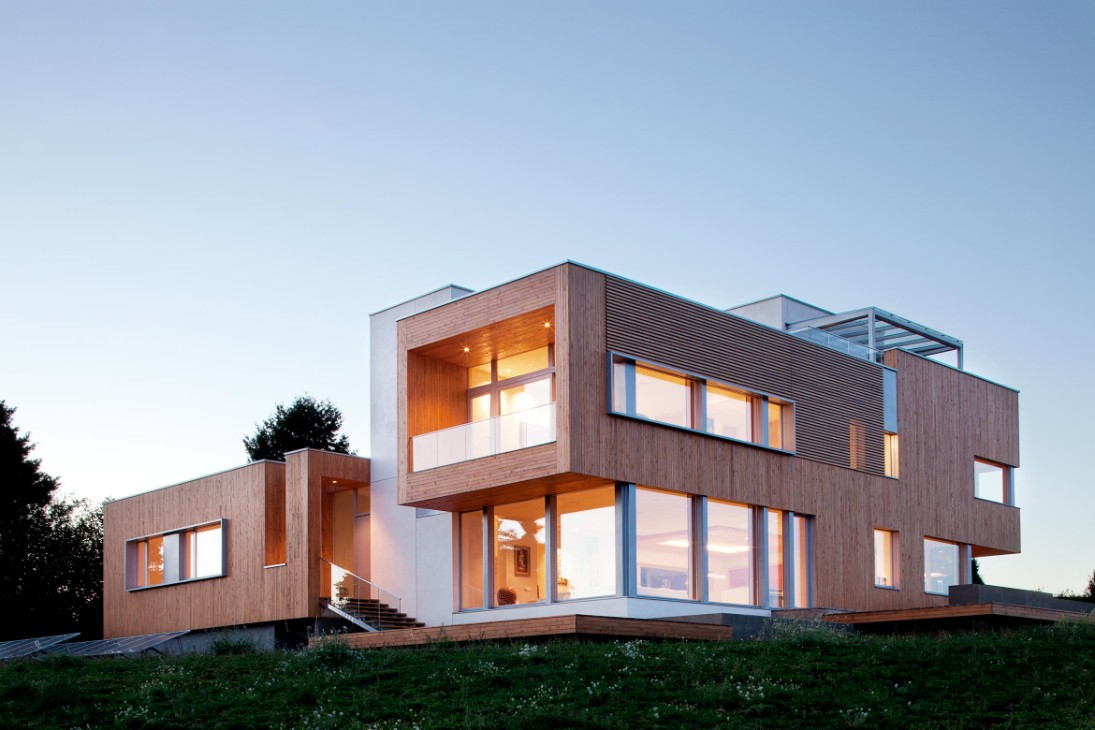
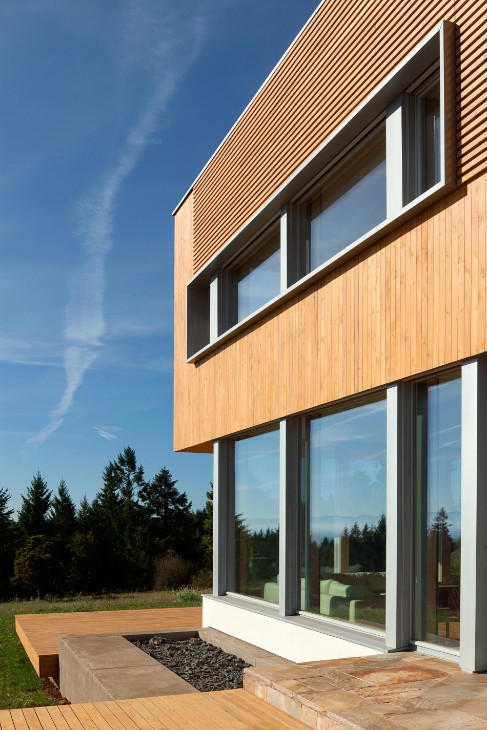
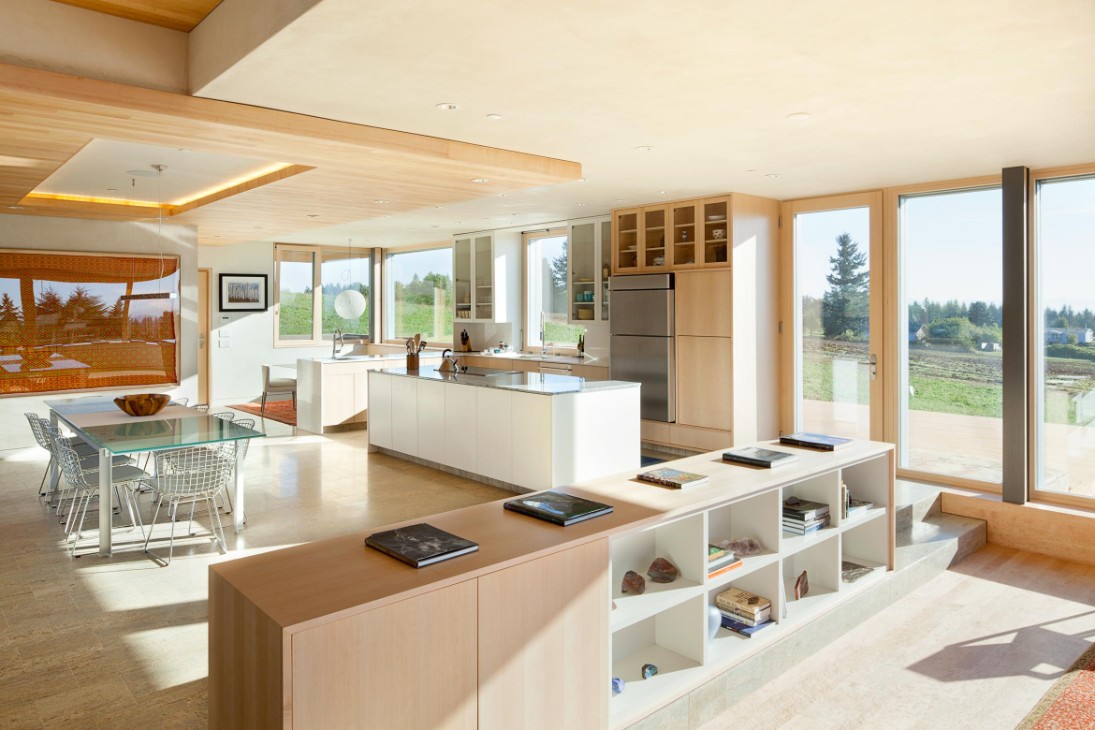
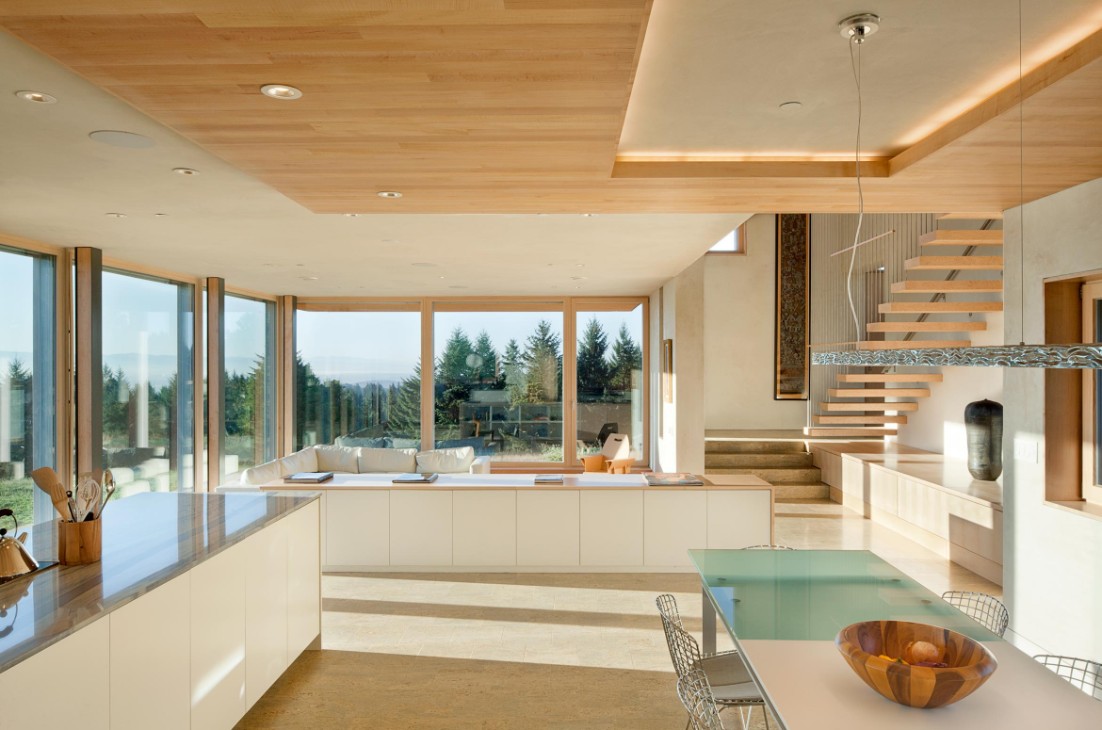
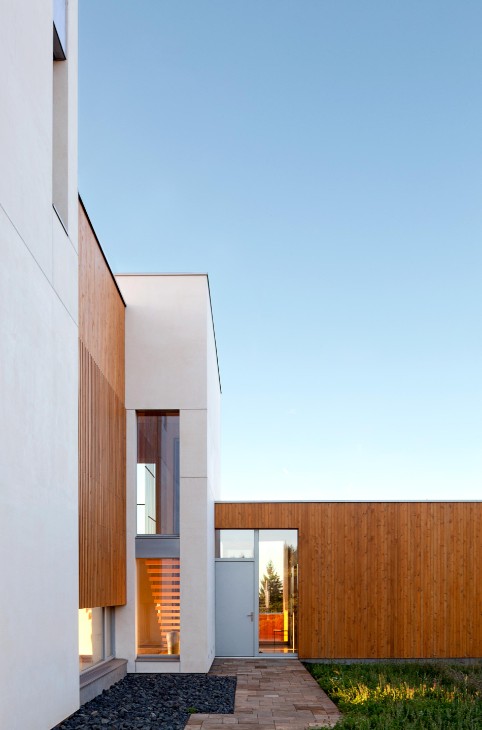
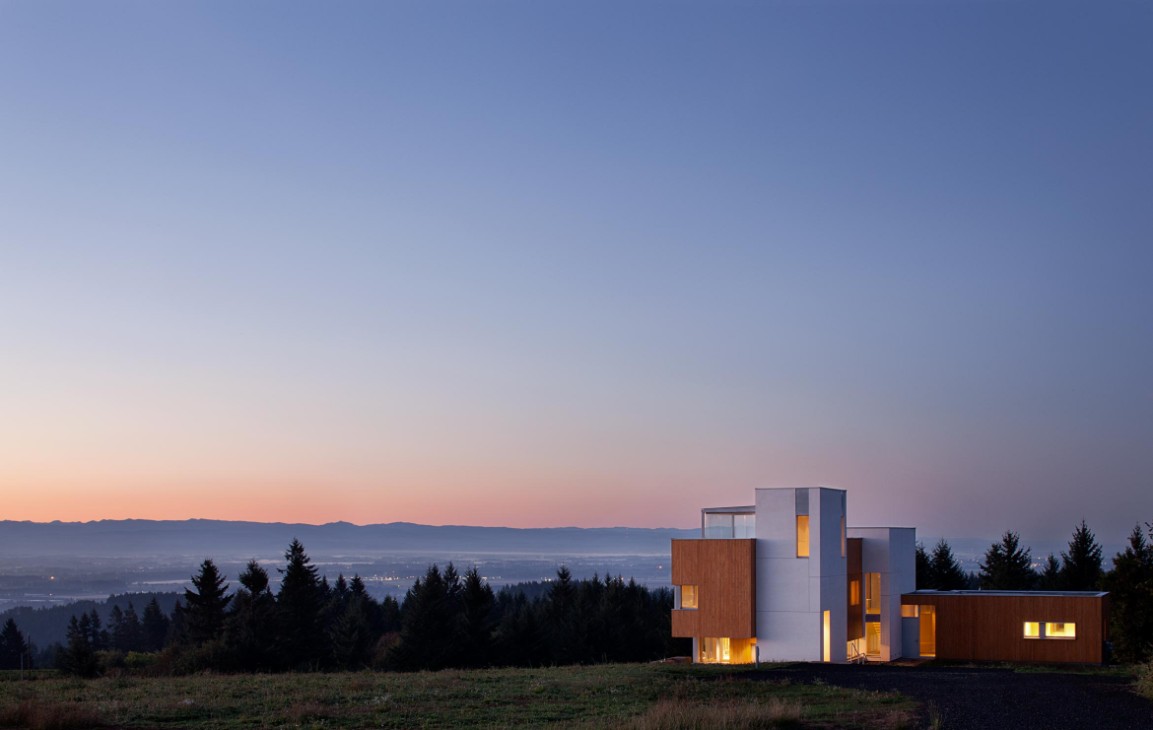
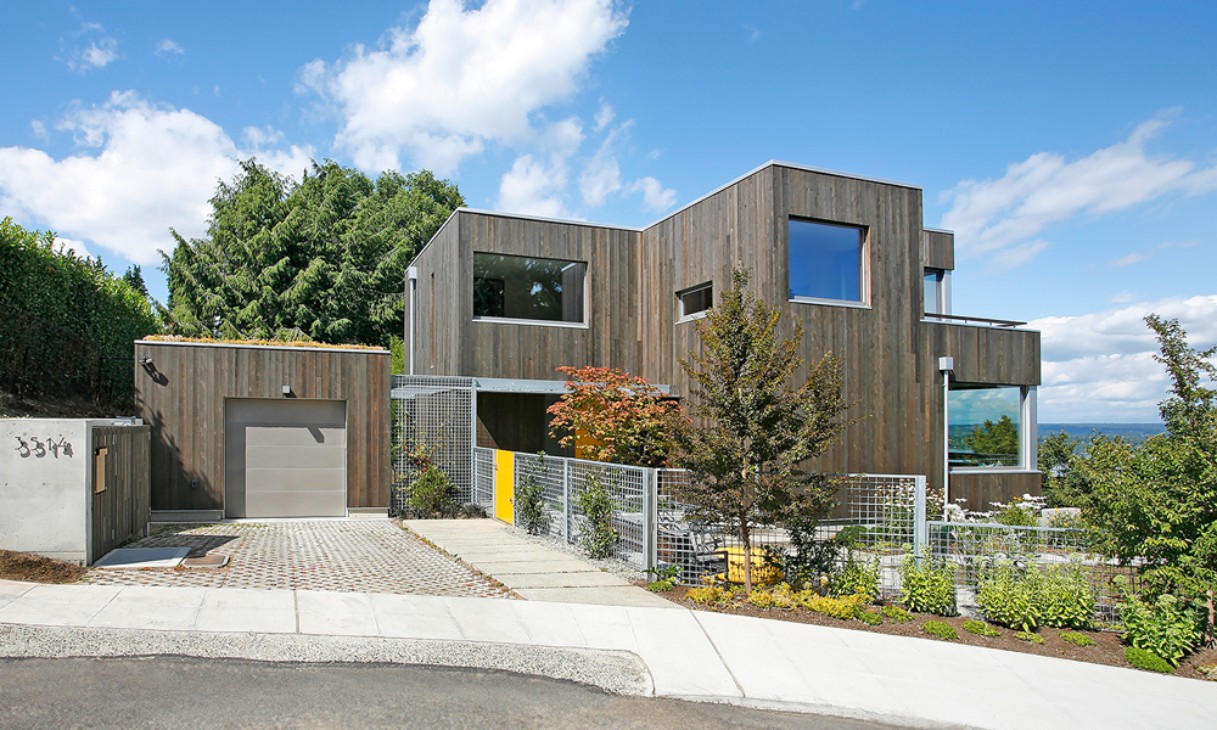
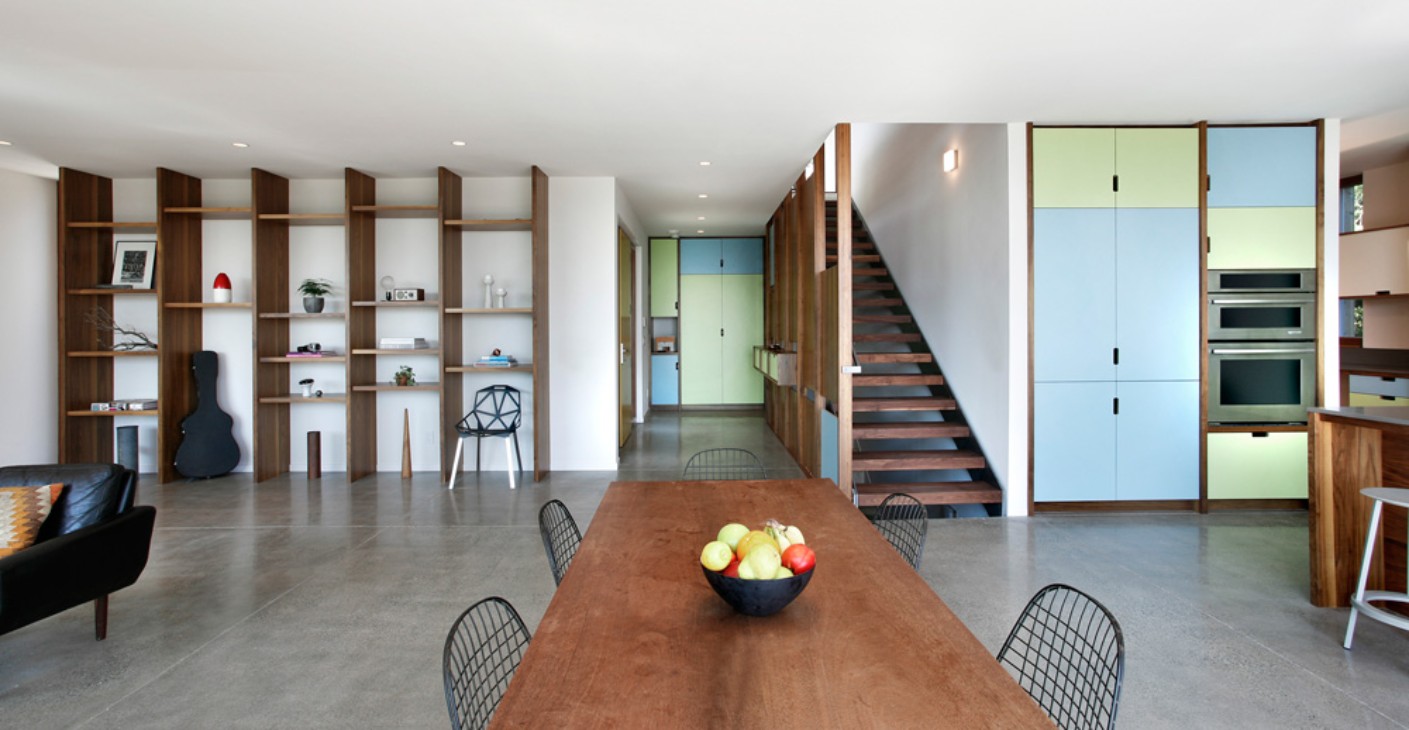
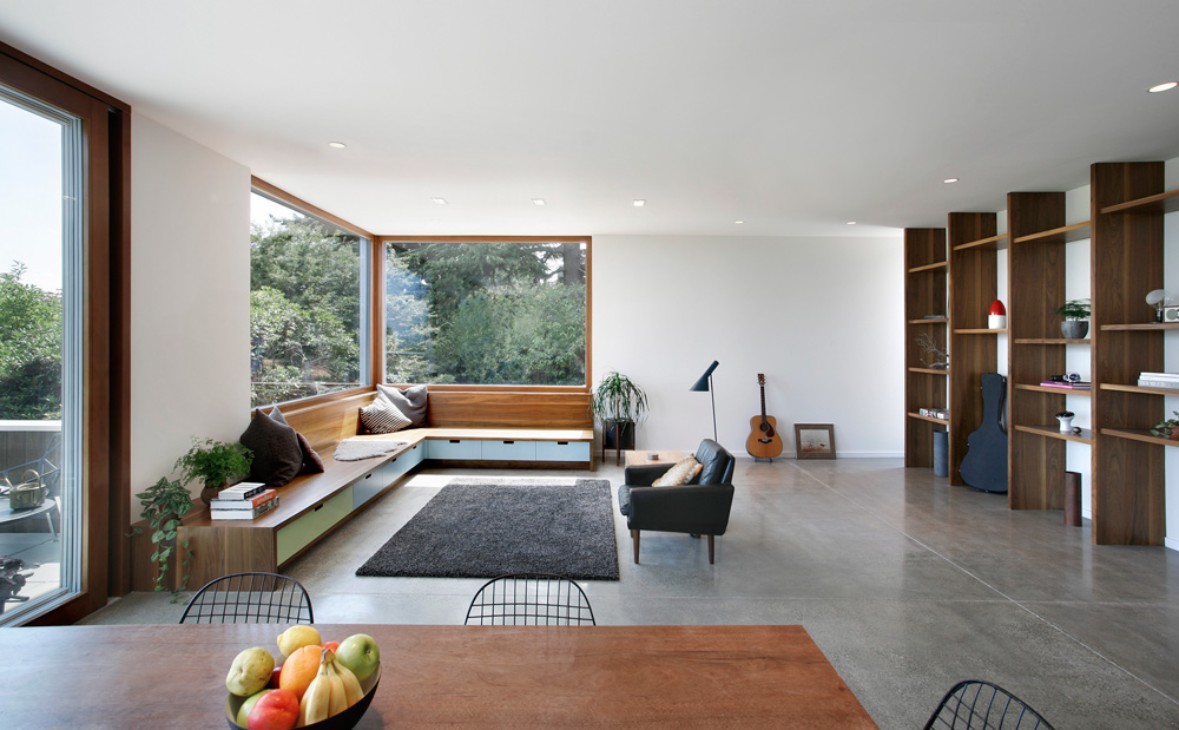
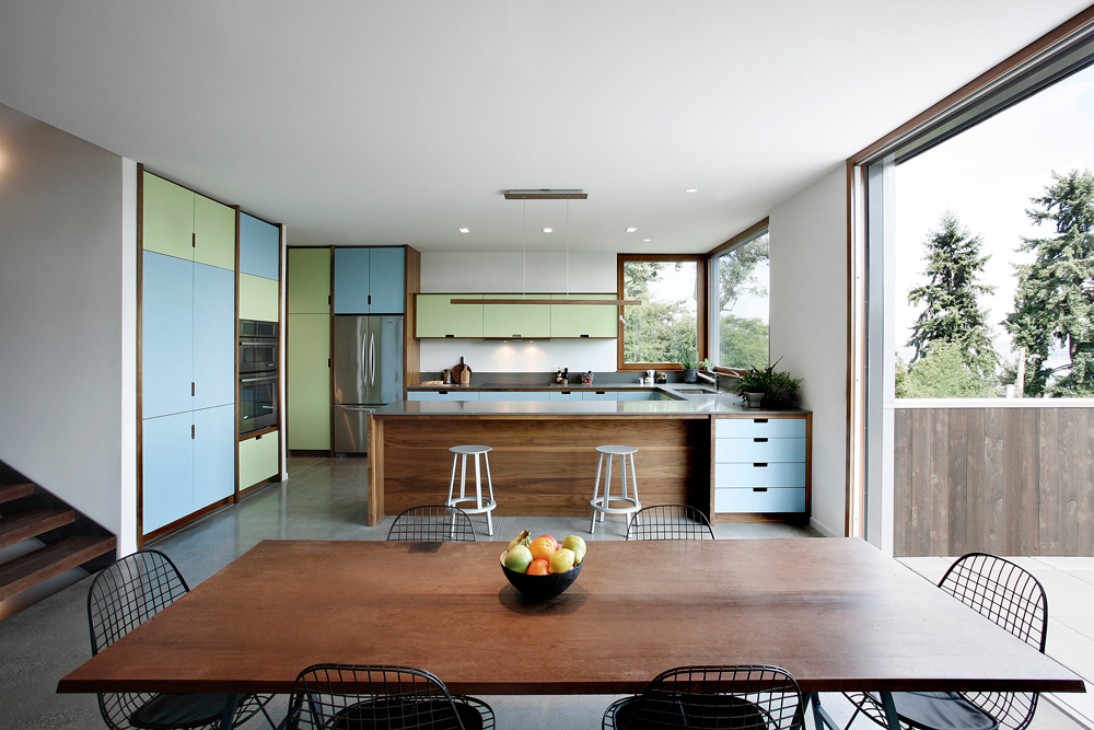
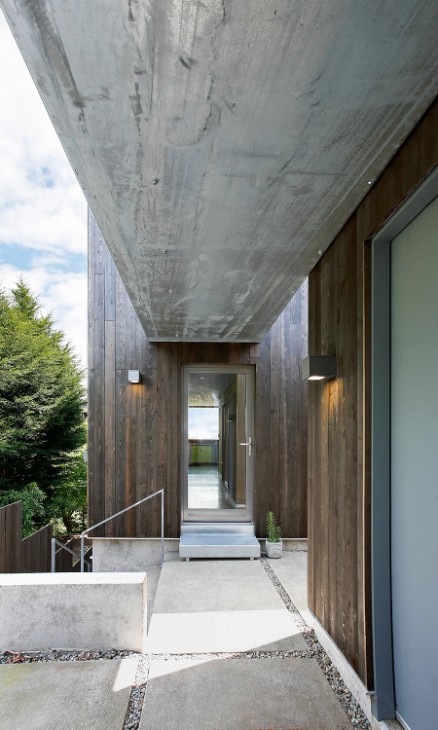
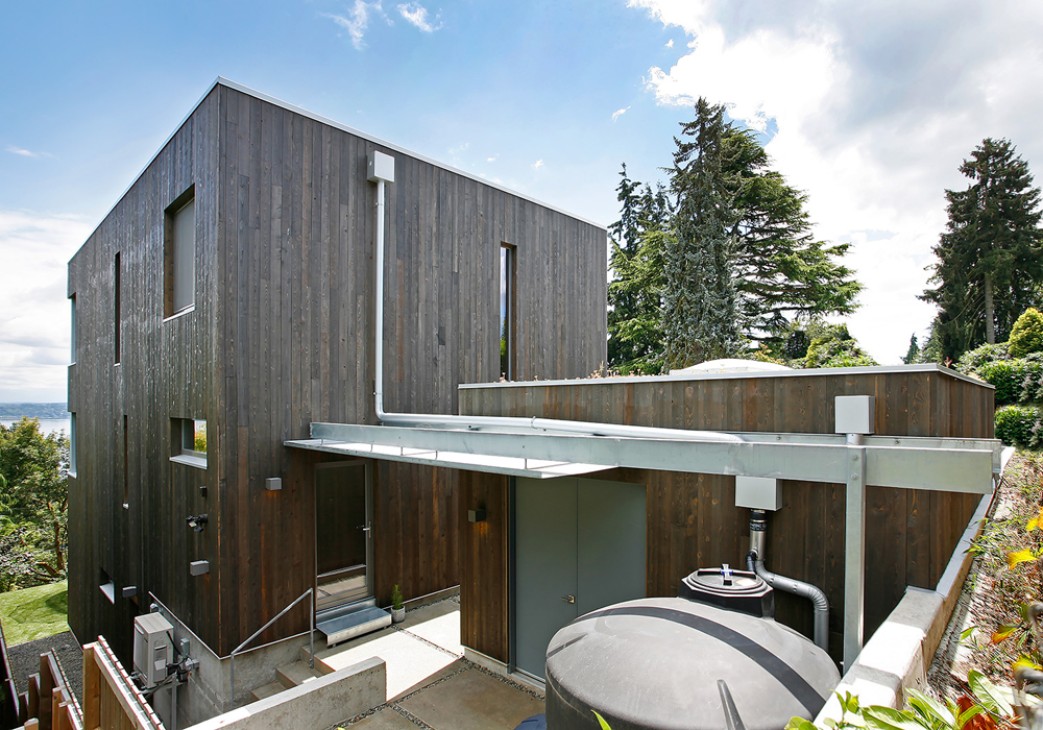
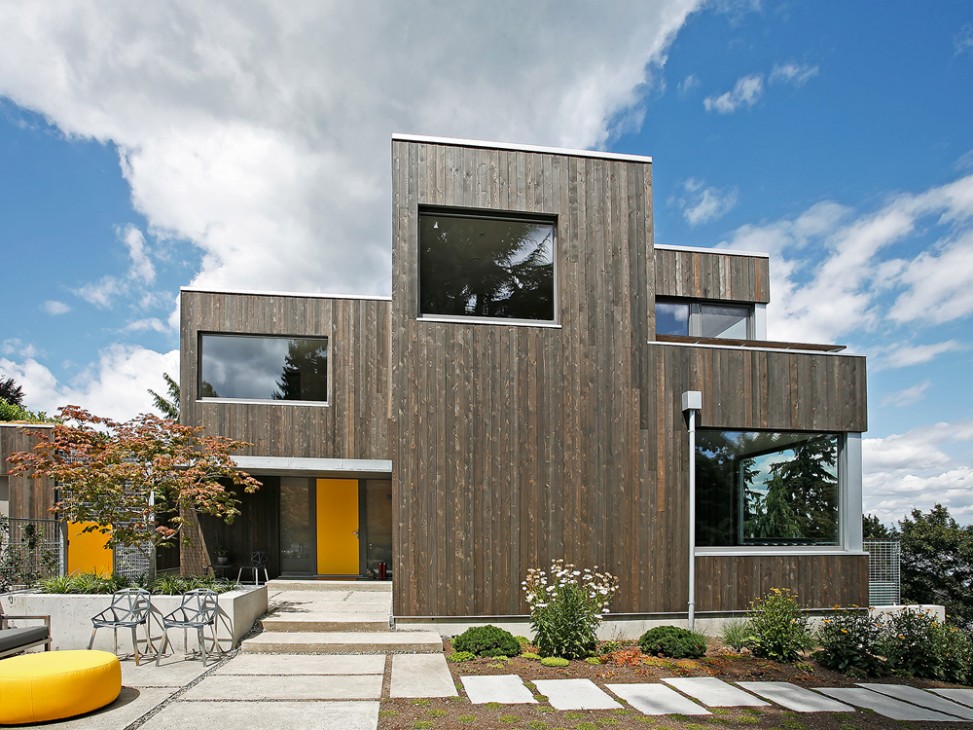
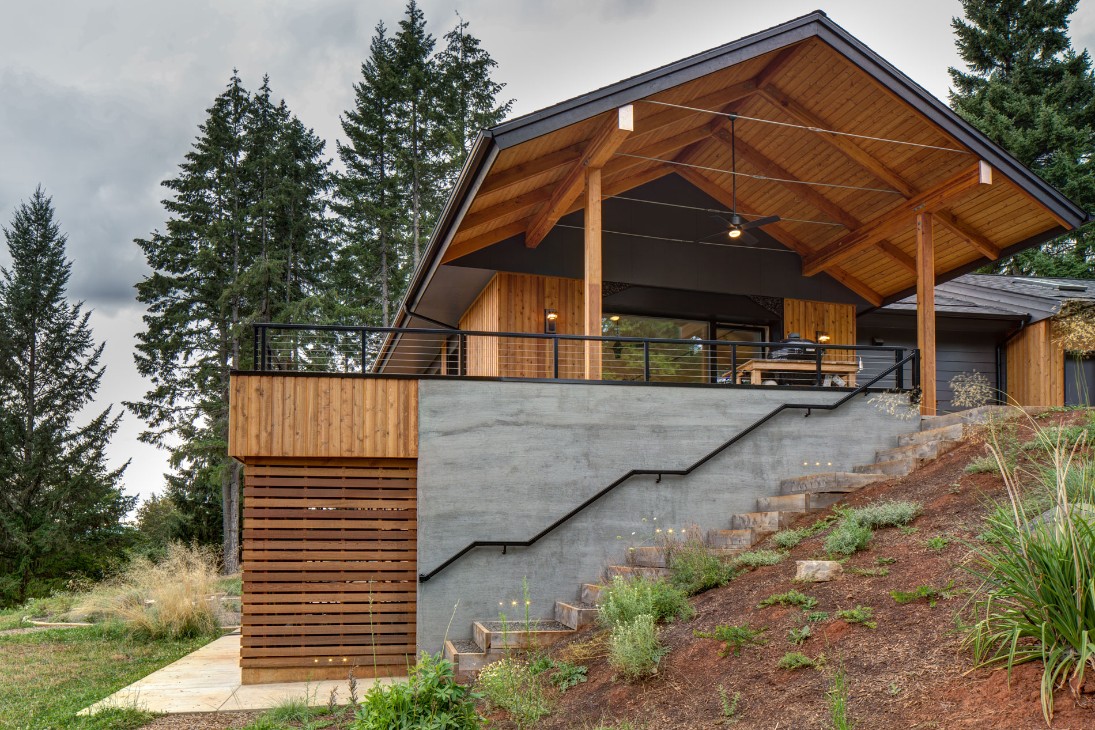
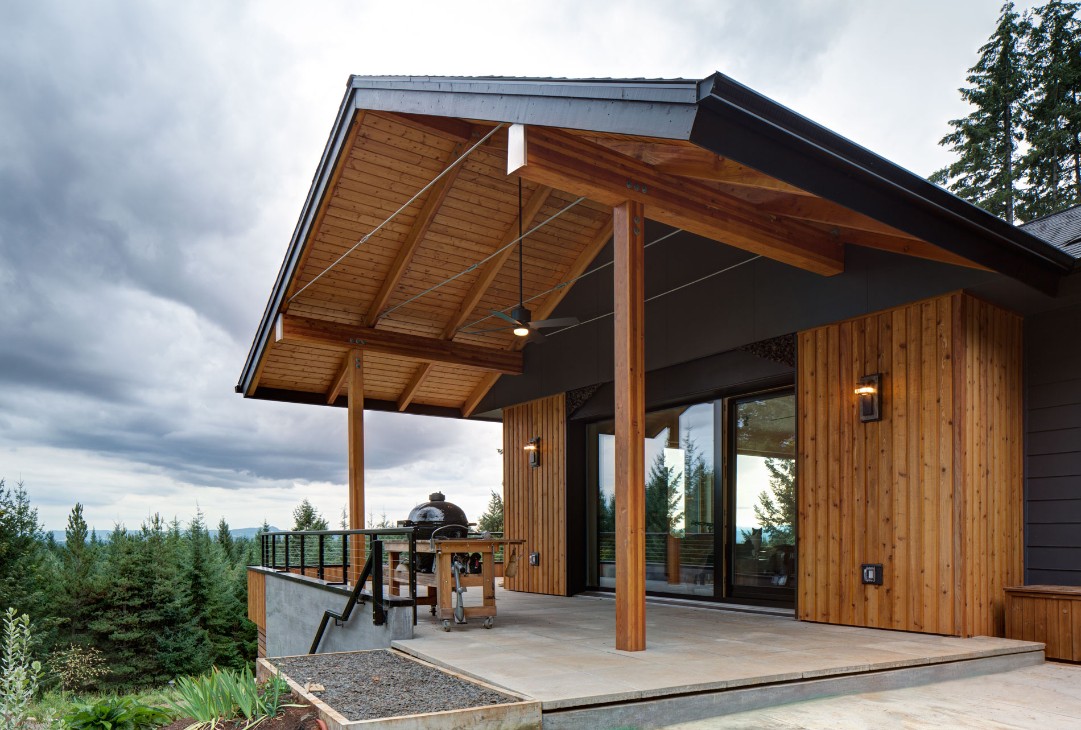
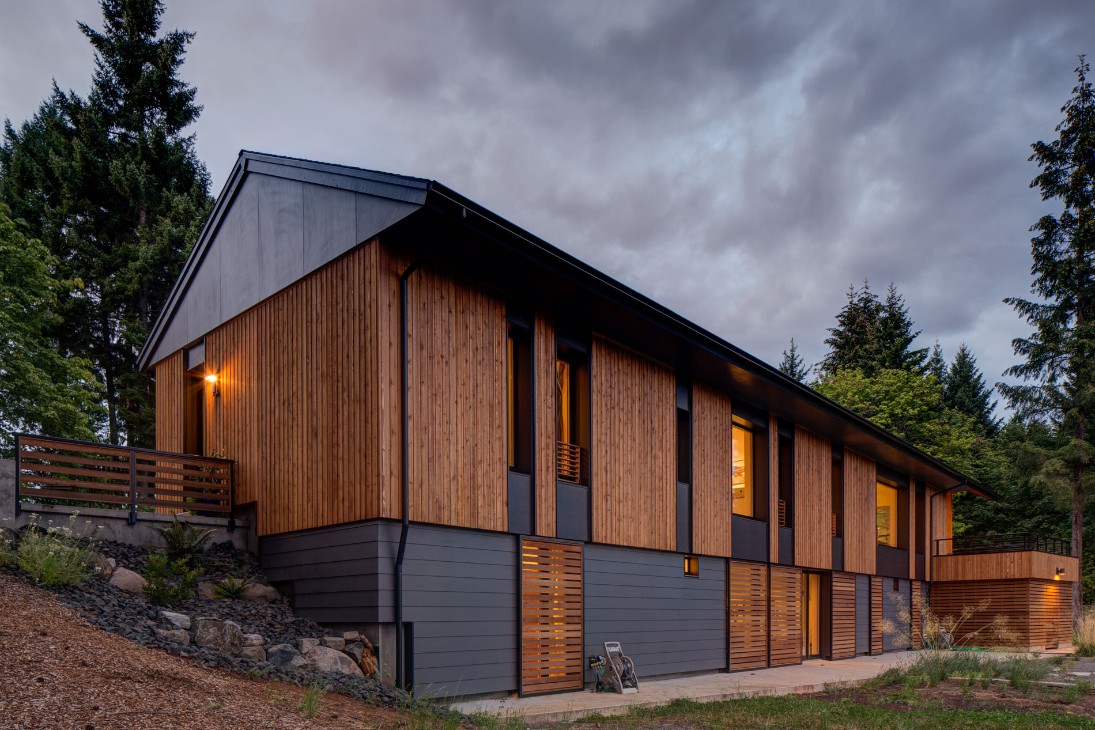
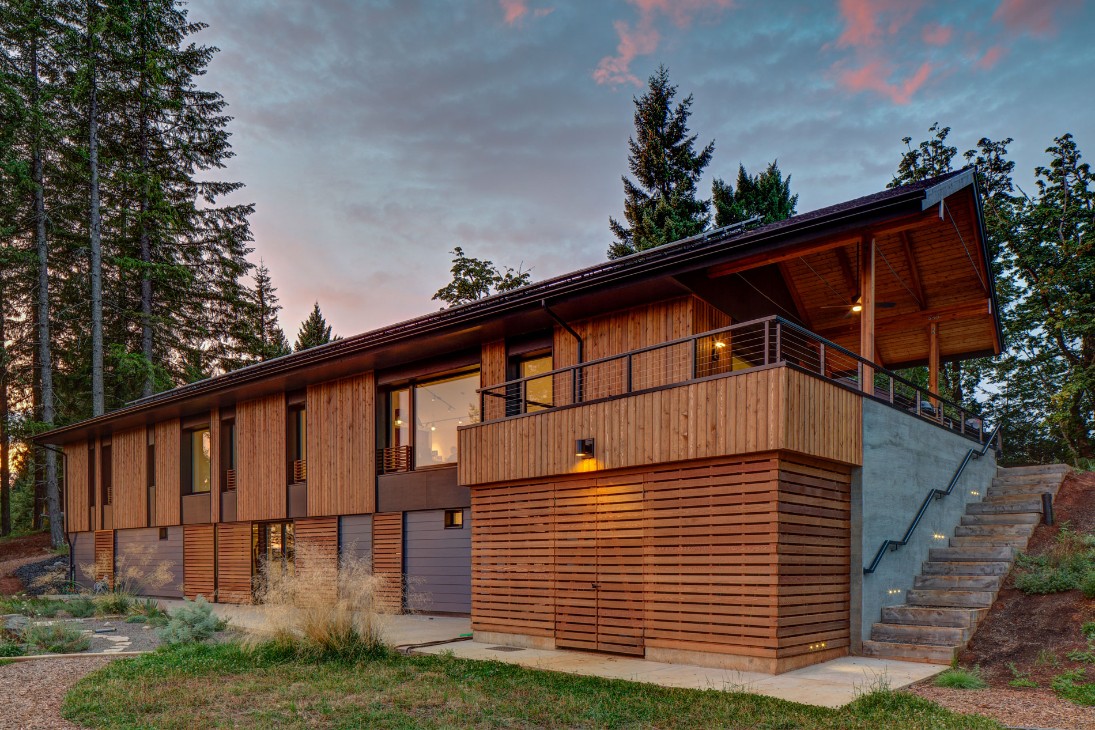
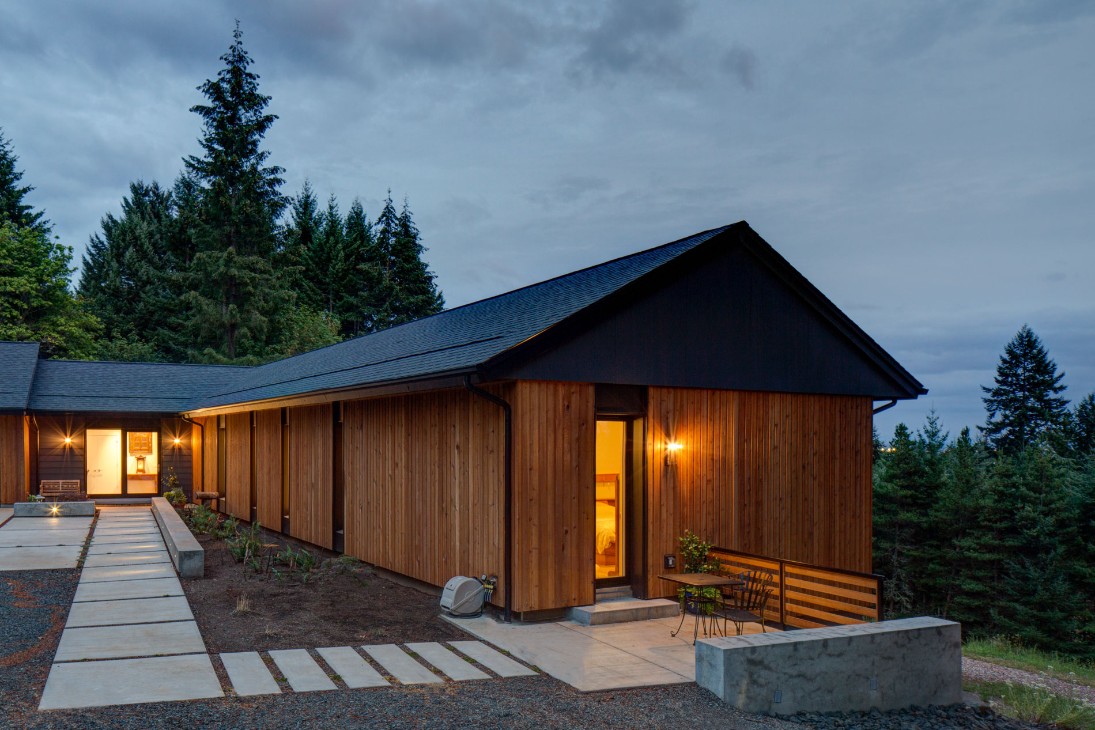
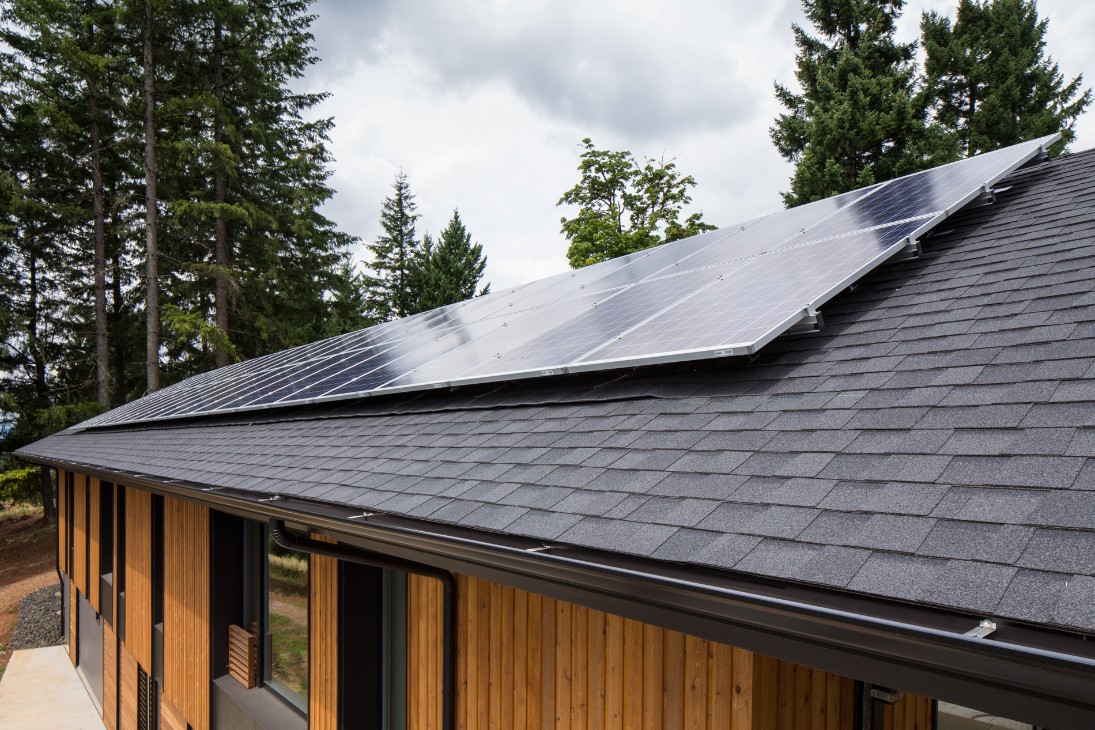
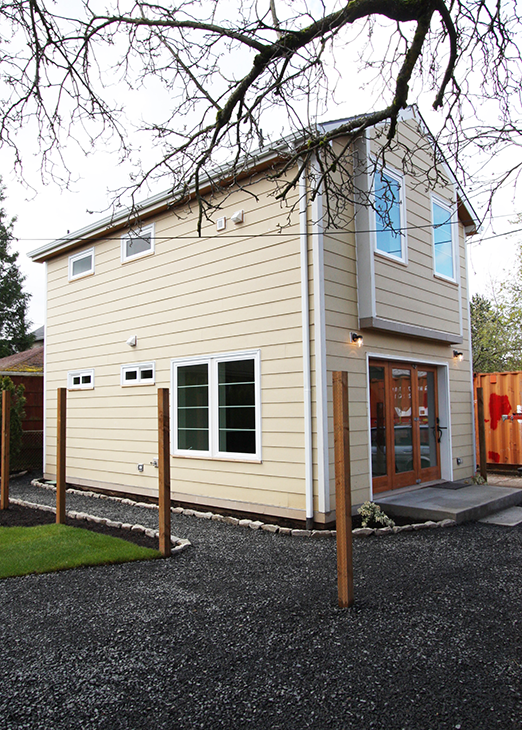
As passive house builders we collaborate with clients and architects to create buildings of beauty, durability, comfort, and performance.
We believe in building better.
Our systems-based understanding of how buildings function enables us to deliver projects that boast both unmatched resilience and revolutionary energy efficiency.
Our advanced modeling tools coupled with our in-the-dirt practical experience allow us to give architects and clients more freedom to make the aesthetic and programmatic design decisions they need without compromising the performance of passive houses.
Ready to reduce your carbon footprint? Our Portland and Seattle teams are ready to help.
Frequently Asked Questions About Passive Houses in Portland and Seattle.
What Is a Passive House?
Passive houses are highly energy-efficient buildings that are virtually airtight and well insulated to promote a more comfortable and healthy way of living.
Low-energy homes, like passive houses, have become a leading building standard throughout Portland and Seattle.
At Hammer & Hand, our passive home builders use their system-based understandings to build homes that focus on making the best use of “passive” influences — ventilation, sun, shading — resulting in passive homes using 90% less energy than your average house.
How Are Passive Houses Built?
Passive homes should be built from a holistic approach.
What does this mean for your home?
Hammer & Hand’s passive home builders keep several principles at the front of their minds when building, including:
- Comfort
- Health
- Efficiency; and
- Durability
Passive home builders agree that high-performance building is the right way to build.
The idea is to enhance the insulation and thermal isolation in the design of the home using …
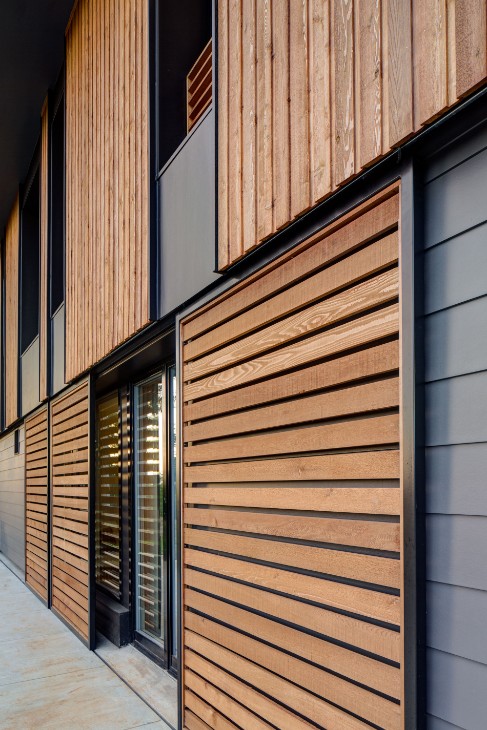
- Advanced building envelopes
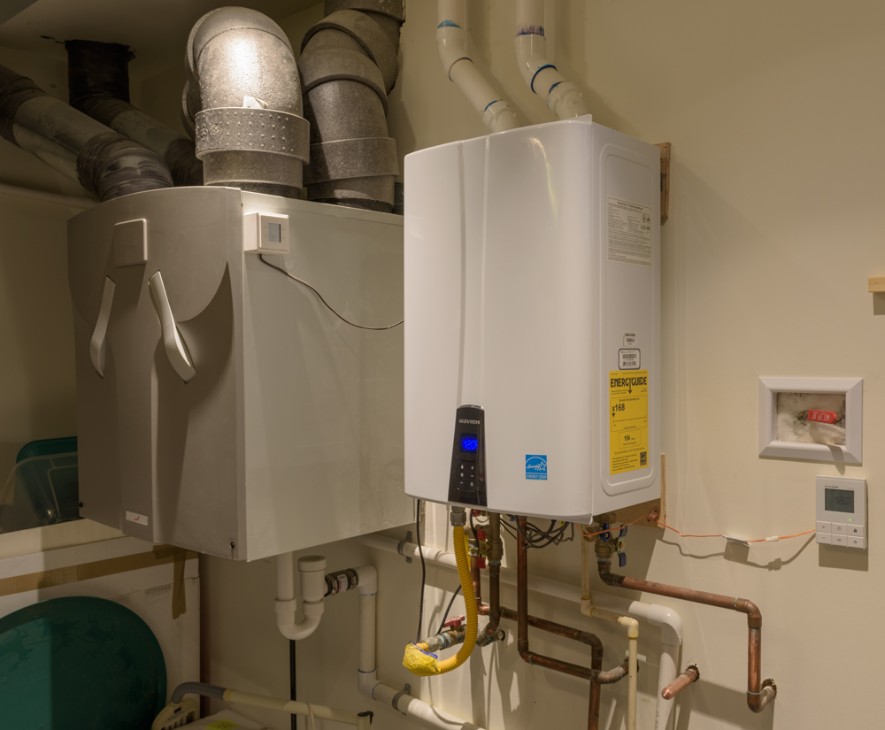
- Heat recovery ventilation; and
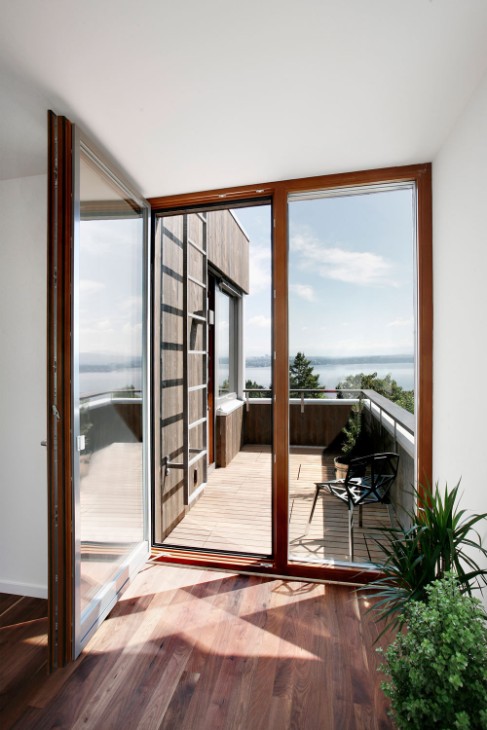
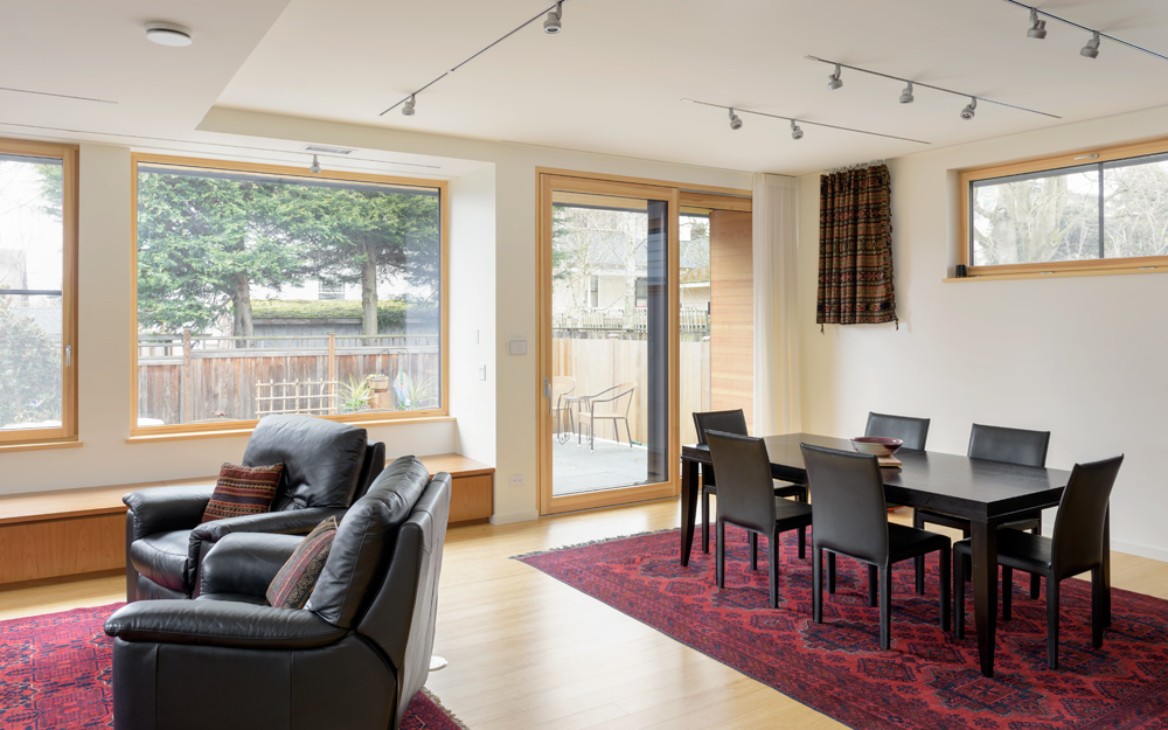
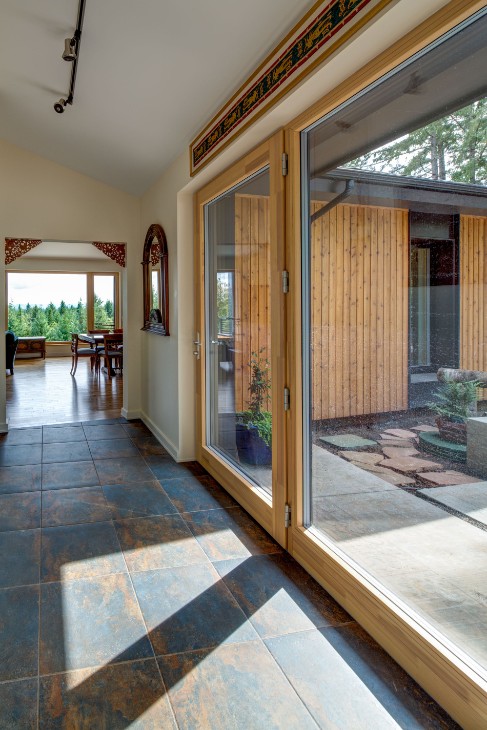
- High-performance windows and doors
… to reduce the energy demand to heat and cool your home and lower your carbon footprint.
Contact us today to learn more about how our passive home builders collaborate with the finest architects and designers in the industry to create a home that will provide you with comfort and durability to last a lifetime.
What Are the Benefits to Building a Passive Home?
Passive homes lay the foundation for a green grid and reduce demand on the power grid — but that’s not all they do.
Passive houses have an exceedingly high number of benefits, the top being:
Aside from the fact that passive homes lay the foundation for a green energy grid thanks to their ability to reduce the demand on the power grid, passive houses come with an exceedingly high number of benefits — the top being:
- Higher air quality
- Uniform temperatures in your home
- Lower utility costs
- Low exterior maintenance requirements
- Versatility
Our team of passive house builders put their hearts into the homes they build. We take our impact on the environment very seriously, which is why every high-performance home we build in Portland and Seattle passes the Passive House Standard.
To help you find more information on how our passive house builders are helping to revolutionize the performance of homes throughout the Pacific Northwest, we’ve created this High-Performance Building 101 guide.
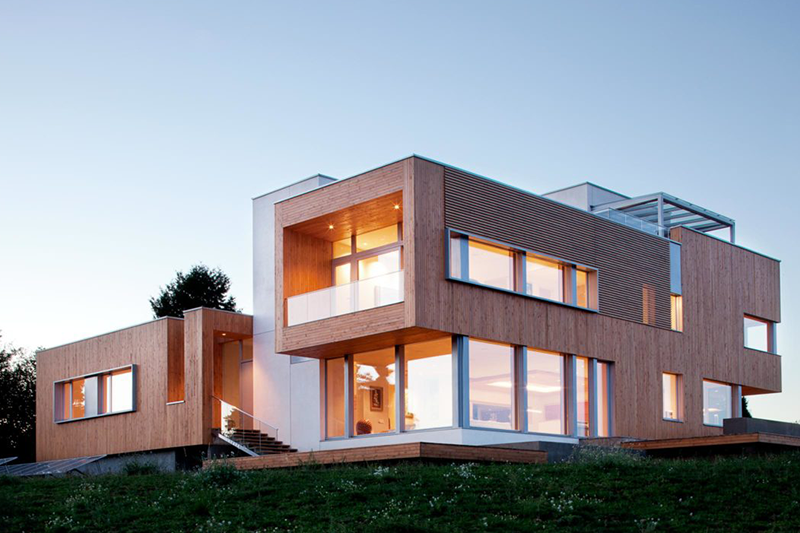
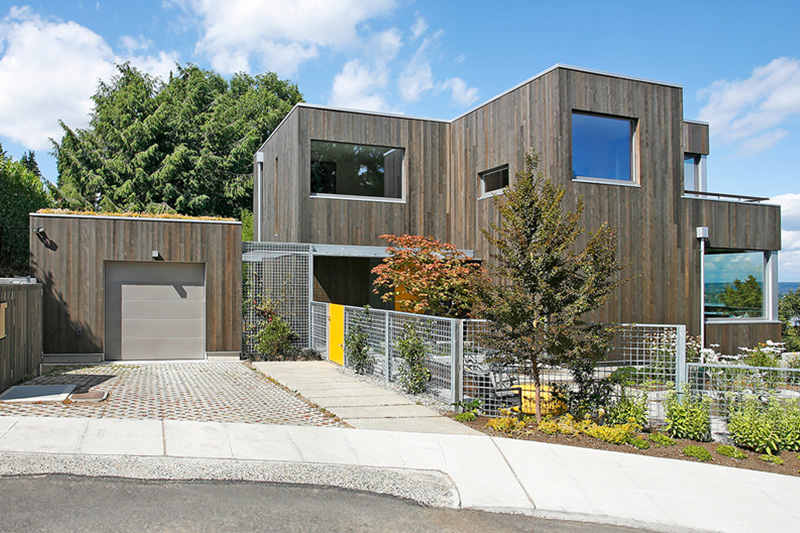
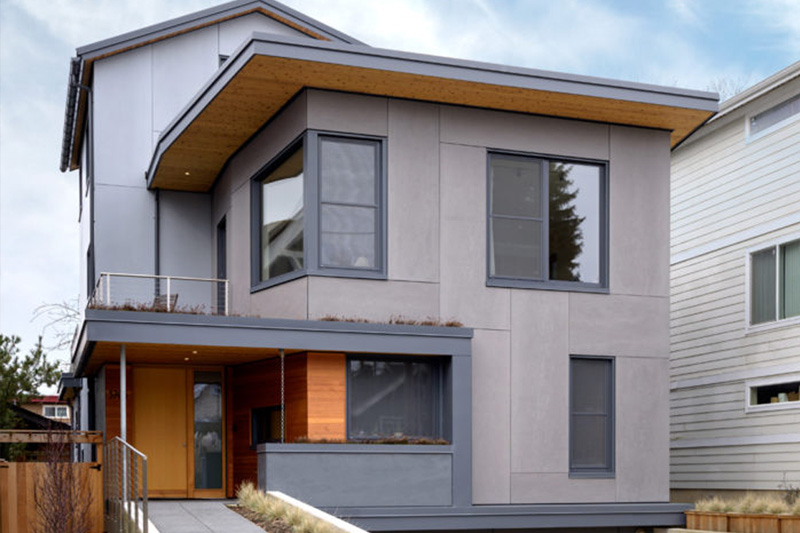
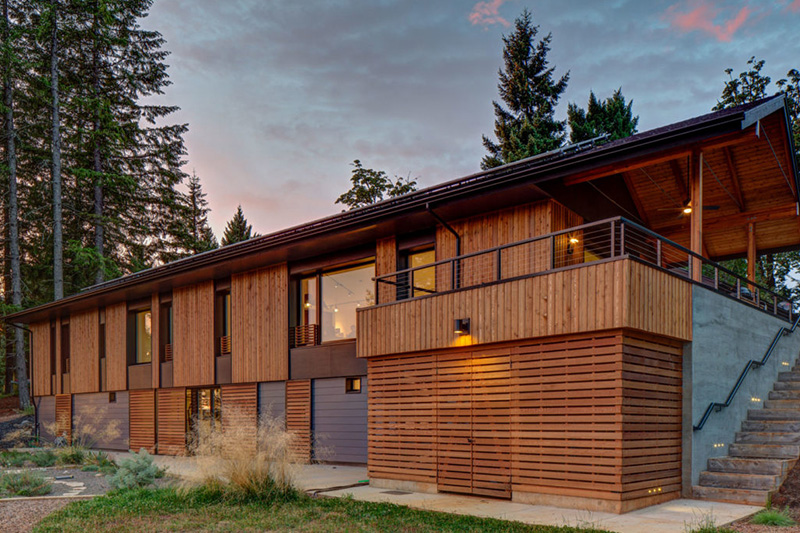
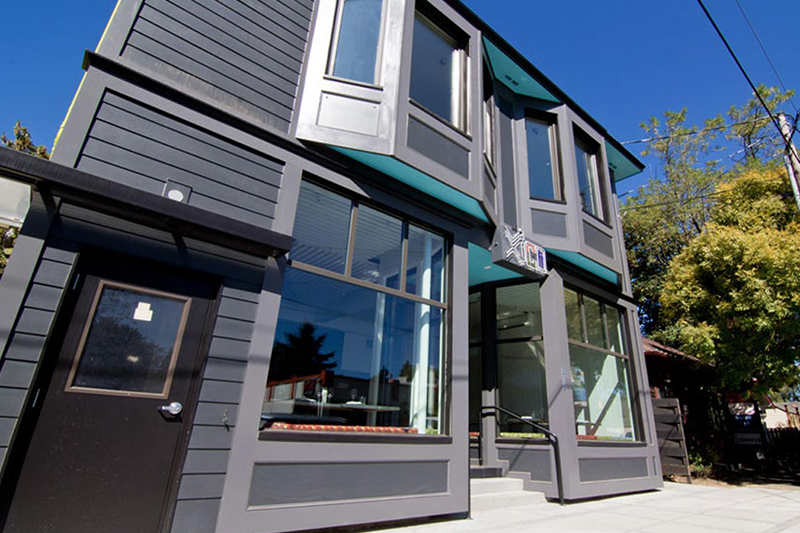
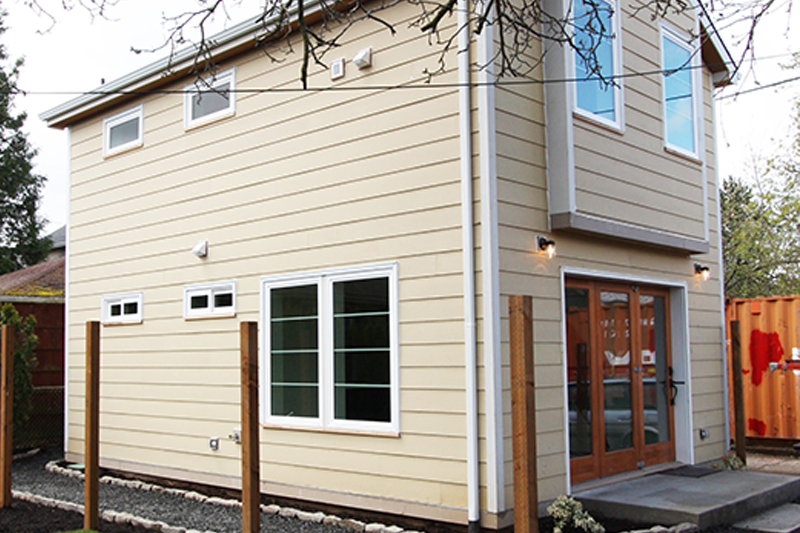
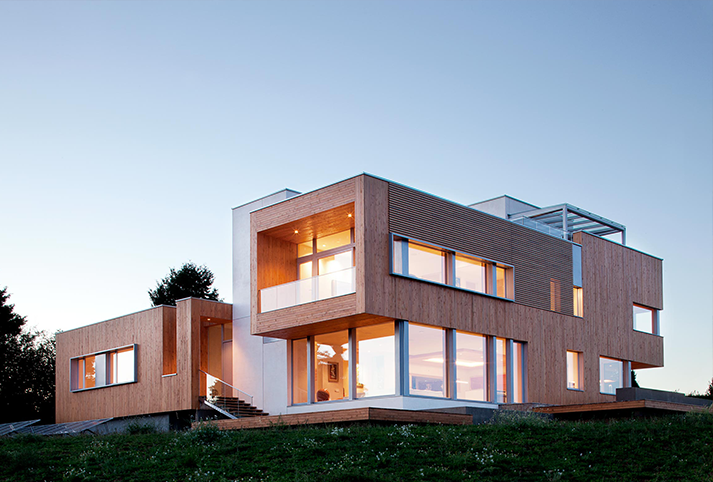
Passive House
Passive House buildings, both residential and commercial, reduce heating and cooling energy consumption by 80-90% compared to conventional structures. Super-insulated walls hold warmth in the winter and cool in the summer while a continuous supply of fresh air ensures unparalleled indoor air quality.
Want to dig deeper? Our High Performance Building 101 section details the benefits of high performance building, and more.
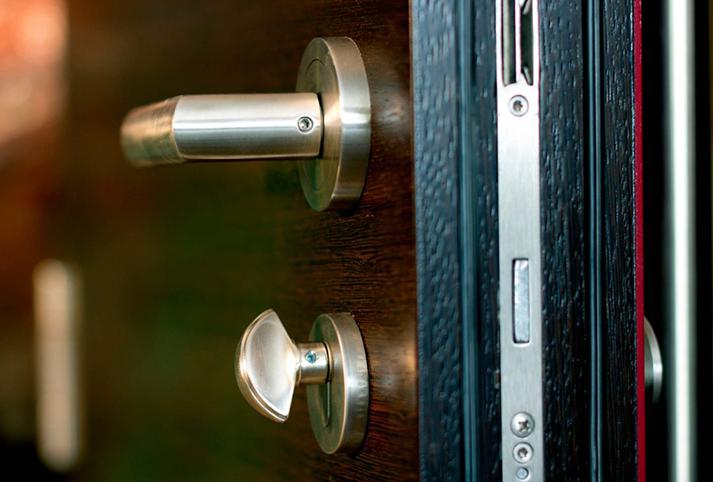
High Performance Doors & Windows
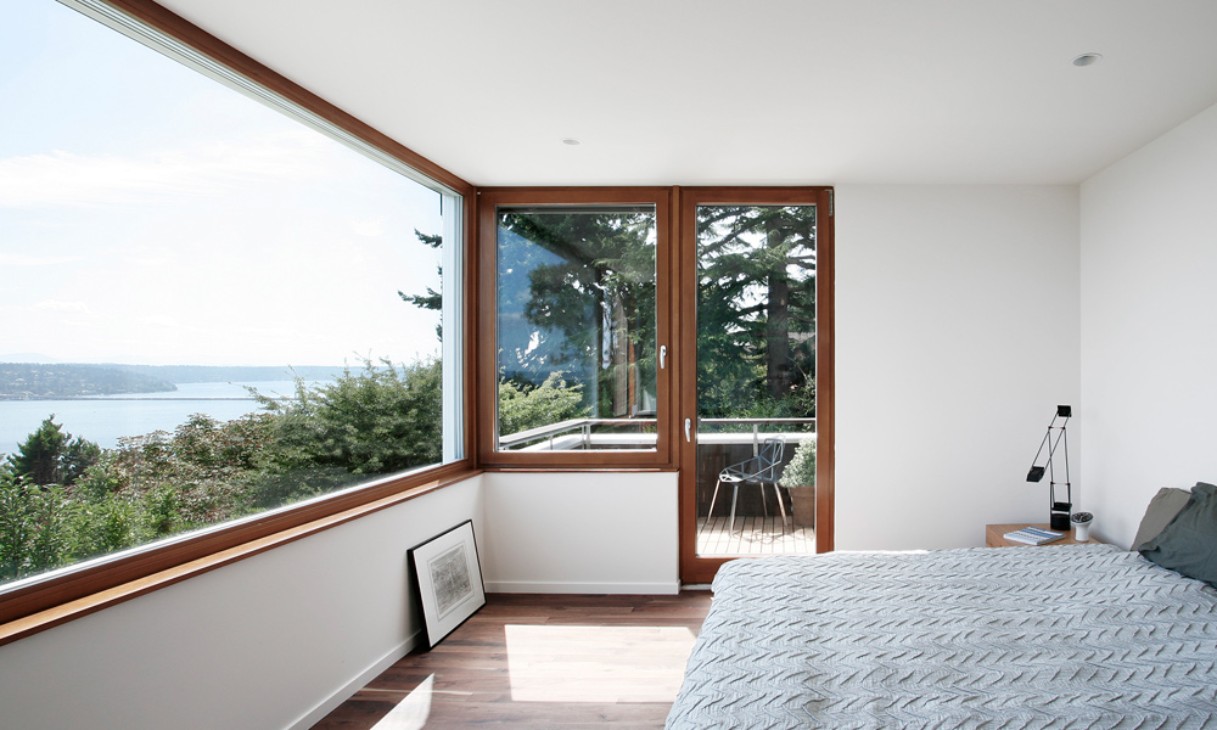
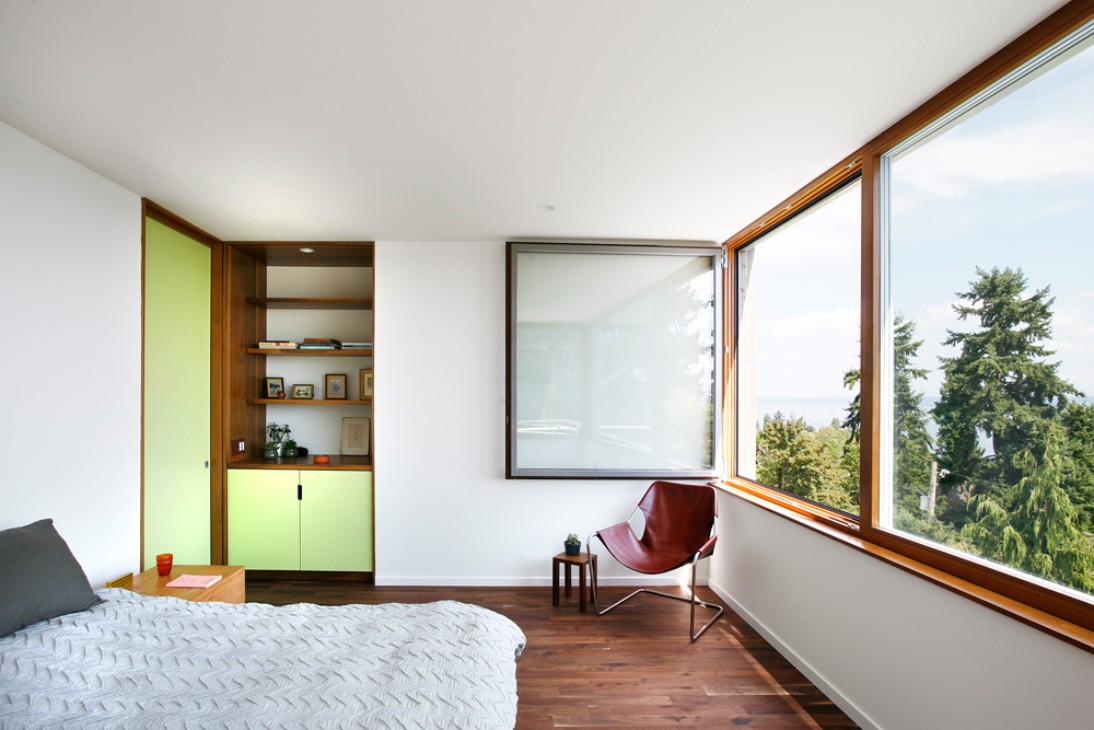
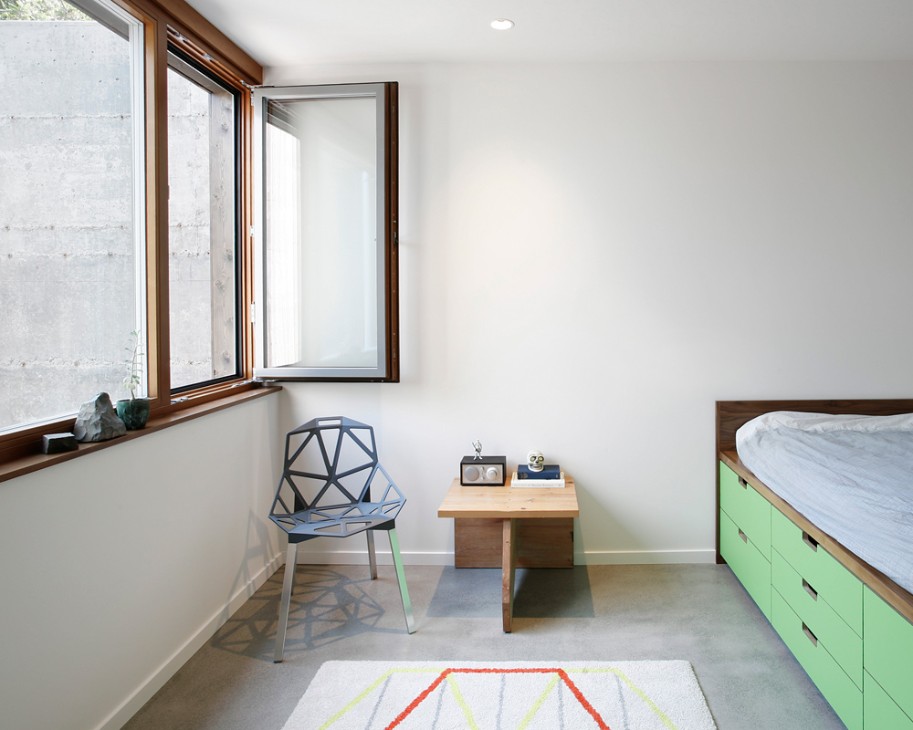
Our high performance doors combine 20+ years of traditional woodworking with the building science knowledge gained through national leadership in Passive House construction.
Our custom doors not only meet the most stringent thermal performance requirements, they support the aesthetics of any project: beautiful, bespoke, and expertly crafted. All specifications are fully customizable.
Best Practices Manual
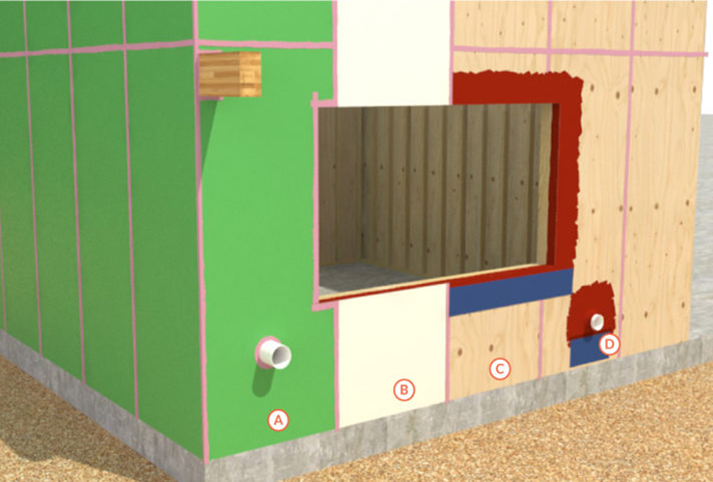
Our Best Practices Manual is the product of our ongoing work to document and internally codify our standard operating procedures. It has evolved into a guidebook of field-tested construction details, many shaped by our experience in high performance passive building.
We have made this information open-source in the spirit of collaboration.